
Best Dog Adjustable Harnesses for Everyday Walks
Dog Adjustable Harnesses are the best way to walk your dog because they are designed to be comfortable and safe every day. These new restraint systems spread pressure evenly across a dog's chest and shoulders. Unlike traditional collars, which can cause choking, these systems give you better control while walking your dog. Because these leashes are flexible, they can fit dogs of all sizes, from tiny babies to large breeds. This makes them an essential tool for pet owners who want reliable, long-term walking options that can change as their dog grows and their needs change.
Introduction
In the past few years, the pet care industry has changed a lot. For example, customizable dog collars have become very popular in the business-to-business world. This change shows that people are learning more about how dogs work and what safety needs standard bands can't meet. Modern pet product producers, store shops, and online sellers know that flexible harnesses give owners more control over their dogs' walking, make walking safer, and make walking dogs of all kinds more comfortable.
Professionals in the field are becoming more and more aware of the problems that set leashes and regular collars cause. Damage to the trachea from neck pressure, cases of escape due to bad fitting, and strain on the muscles and bones from tight designs have pushed procurement experts to look for more advanced solutions. Leading brands in this field, such as Ruffwear, Kurgo, and Puppia, keep coming up with new ideas by making comfortable designs using cutting-edge materials and engineering principles.
More than just a trend, this move toward flexible collar systems is a sign of a basic shift in how the industry thinks about the safety and comfort of dogs. When procurement workers understand these factors, they put themselves at the top of a market group that values both usefulness and safety. This creates chances for long-term business growth through better product offers.
Understanding the Essentials of Dog Adjustable Harnesses
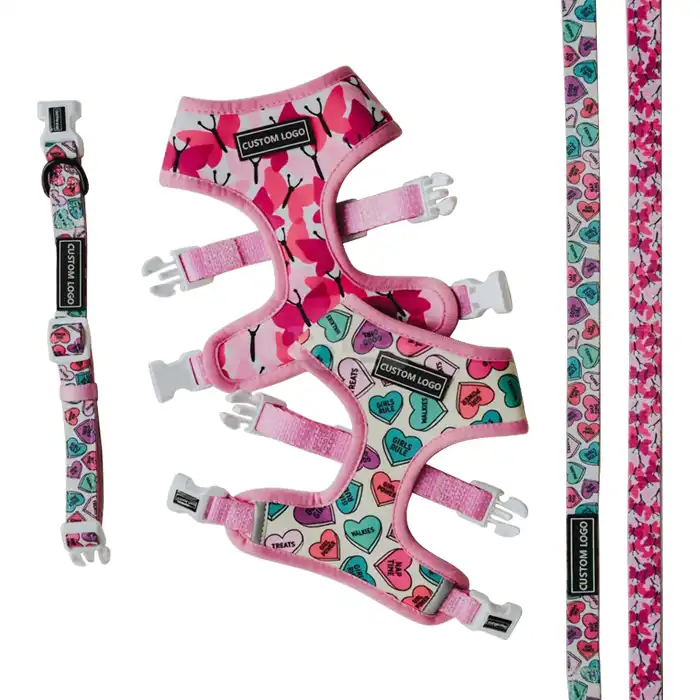
Adjustable dog collars are biomechanically matched binding systems that change the way people walk their dogs. Unlike fixed-size options, these devices have multiple adjustment points carefully placed at the neck, chest, and trunk areas to fit people with different body shapes. This flexible method guarantees the best pressure distribution while allowing the shoulder to move naturally during normal walking patterns.
Core Functionality and Safety Benefits
The main benefit of Dog Adjustable Harnesses is that they can move the stress on the leash away from the dog's sensitive airway structures. Traditional collars put a lot of pressure on a small area around the neck, which could make breathing difficult and hurt the soft tissues in the throat over time. With adjustable straps, this force is spread out over a larger area of the chest. This eliminates pressure spots and the risk of choking, even when pulled suddenly.
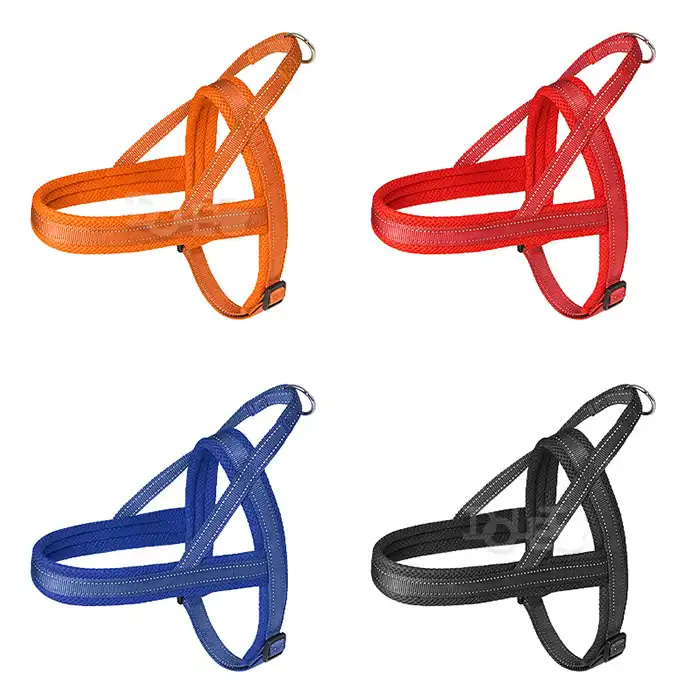
Modern customizable harnesses have Y-front or H-style structures that let the shoulder blades move naturally. This technical method keeps the scapula from being limited in its movement, which can change the way a person walks and cause joint problems. The flexibility factor is very important here because a good fit makes sure that these safety benefits stay the same as the dog grows and its weight changes with the seasons.
Material Innovation and Performance Features
Modern customizable collars are made of a variety of high-tech materials that work well together to make them both durable and comfortable. High-tensile nylon netting gives the structure strength, and open mesh pieces help keep your body temperature stable during long activities. The soothing features of neoprene padding keep high-contact areas from burning. This is especially important for dogs with sensitive skin or those that do a lot of exercise.
When trying to figure out how a connection works, you should also look at the metal parts. Precision-molded polyoxymethylene (POM) buckles keep their change sets even when they are under a lot of stress and don't break down in the environment. D-rings made of stainless steel or zinc-alloy are safe places to connect leashes because they are designed to hold up against strong pulling forces without breaking or deforming.
How to Measure and Fit an Adjustable Dog Harness – Size Guide for Procurement
Getting the right gear and making sure customers are happy depend on having accurate measurement procedures. For a professional fitting, you need to know your chest size, neck circumference, and body length. To get these measures, the dog must be standing normally, and a bendable measuring tape must be used that doesn't shrink as it goes around the body.
Essential Measurement Techniques
The most important measurement is the chest size, which is found at the widest part of the rib cage right behind the front legs. This size should let your lungs naturally expand while still keeping the belt in place while you're active. The base of the neck, where a collar would normally rest, is used to measure neck length. This gives you a way to make sure the straps are in the right place.
People who work in procurement need to know that breed-specific factors have a big effect on size needs. Dogs with barrel chests, like Bulldogs, need different relative changes than dogs with deep chests, like Greyhounds. Because of these differences in anatomy, harness designs need to have wide adjustment ranges so that they can fit a wide range of body types within the same size groups.
Size Chart Optimization for Bulk Orders
For buying plans to work, they need to look at seller size charts in detail and see how they relate to the demographics of the target market. There are detailed size guides from well-known brands that match weight ranges with specific measurements, but these rules need to be tested on real customer groups. Cross-referencing specs from more than one source helps find trends of stability and possible size differences.
When it comes to managing supplies, the change range within each size group becomes very important. When harnesses can be adjusted in a wider range of ways, they need fewer SKUs to serve a wider range of customers. This saves money on storage and makes the process of choosing a product easier. This is especially helpful for wholesalers who serve markets with a wide range of breed choices and size ranges.
Choosing the Best Adjustable Harnesses for Different Business Needs
When making a procurement choice for Dog Adjustable Harnesses, it's important to carefully weigh the pros and cons of different types of harnesses based on practical needs and market expectations. The difference between regular walking leashes and those used for specific tasks affects the choice of materials, design features, and price. By knowing these differences, procurement professionals can make sure that their product lines meet customer needs while still staying competitive.
No-Pull and Training Applications
No-pull collars have front-attachment points that direct the pushing force toward the owner. This stops the dog from lunging forward mechanically. People who have to deal with anxious dogs or who need more control during training like these styles. These straps must be flexible because, as training goes on, the dog's behavior changes, which can affect how it interacts with the control system.
Harnesses designed for training often have two connection points, so users can switch between the front and back clip places depending on the situation. Professional dog trainers and serious dog lovers who need tools that can be used in a variety of training situations will like how versatile this is. When buying for this group, buyers should look for straps with strong gear and stress points that are strengthened to last through heavy use.
Everyday Comfort and Recreational Use
Standard walking leashes put comfort and ease of use ahead of specific functions. These goods are aimed at a wider range of consumers who want simple, reliable ways to do their daily workout practices. When choosing materials, the goal is to make them as light and breathable as possible while still being durable enough for daily use.
Here are some of the best things about leisure harnesses for end users:
• More comfort thanks to padded touch points that reduce pressure and keep skin from burning during long wear times. This is especially important for dogs with sensitive skin or those that go for longer walks.
• Quick-release clip methods make putting on and taking off the leash easier, which makes it more likely that the dog and owner will use it regularly and reduces stress for both.
• Reflective safety features built into the netting or trim that make it easier to see in low light, easing safety worries for walkers in the early morning or late evening.
• Materials that can be washed in a machine and keep up with cleaning standards without compromising structural integrity, which is appealing to pet owners who care about their pets' health and cleanliness.
All of these benefits take care of the main concerns of leisure users while still meeting the high standards of dependability expected in store settings.
Size Range Considerations
The wide range of sizes, from XXS to XL, makes sure that the market is covered for all age groups and breeds. Extra-small sizes are good for toy breeds and young pups, and extra-large sizes are good for working dogs and giant breeds. This variety of ranges lets wholesalers serve whole market groups without having to work with multiple suppliers.
When planning for buying, changes to designs based on size become important things to think about. To keep the look of balance, smaller harnesses may use lighter gear and thinner webbing. Larger sizes, on the other hand, need stronger construction to handle higher stress loads. Knowing these scaling factors helps people who buy things figure out what suppliers can do and how consistent the quality is across all size ranges.
Procurement Considerations for Adjustable Dog Harnesses
Strategic buying includes more than just defining the product. It also includes evaluating suppliers, following quality control rules, and building long-term partnerships. When it comes to fit accuracy, durability testing, and customer happiness measures that affect buying decisions, the flexible harness market has its own problems.
Supplier Evaluation and Quality Metrics
When evaluating a supplier for Dog Adjustable Harnesses, you need to look at their production skills, quality control methods, and safety certifications. ISO 9001 approval shows that the company uses a structured approach to quality management, and specific testing methods for salt spray protection, color fastness, and stress tolerance show that the company cares about making sure their products last. When you're selling to places that have strict safety rules or high standards for quality, these certificates become even more important.
When figuring out production capacity, it's important to know how flexible and scalable the manufacturing process is. Suppliers with more than one production facility can better protect the supply chain and handle changes in volume than those with only one facility. Being able to handle both standard production and special OEM projects shows that the business is operationally sophisticated enough to meet a wide range of buying needs.
Cost-Quality Balance and Volume Strategies
Different sellers have very different ways of calculating volume discounts. Some offer flat price cuts, while others use tiered systems that reward customers who make bigger purchases. When procurement experts understand these price models, they can figure out the best order numbers and time to get the best deals at the lowest costs. Minimum order numbers (MOQ) of 300 pieces per order and 50 pieces per size combination make it possible to handle inventory well and get better prices at market levels.
Longer testing times that mimic how things are used in the real world should be part of sample review methods. Samples should be sent out within ten to fifteen days so that fit, longevity, and user experience can be thoroughly evaluated. During this review time, buying teams can compare prices from different sources and look for possible problems before they place bigger orders.
Customization and Branding Opportunities
OEM and ODM skills let buying workers create one-of-a-kind products that set their business apart in the market. Different ways to apply logos, like rubber, PVC, knitted, leather patch, and printed choices, give brand integration tactics a lot of freedom. Customization goes beyond branding and includes choosing colors, putting together different types of materials, and making design changes that fit the tastes of a particular market.
Customized goods have a delivery time of 20 to 35 days, which needs to be carefully planned to work with marketing starts and regular demand trends. When planning stocking strategies for market opportunities that need to be met quickly, procurement professionals have to weigh the benefits of customization against the costs of longer lead times.
Enhancing Procurement Decisions with Future Trends and Innovation
The flexible harness market is always changing because of discoveries in material science and the merging of new technologies that change what customers want and how the competition works. By keeping up with new trends, procurement pros can predict changes in the market and make sure that their product lines are ready for future demand patterns.
Advanced Material Development
Sustainable material choices are becoming more popular as consumers become more aware of how their purchases affect the earth. Bio-based cushion materials and recycled nylon binding are eco-friendly choices that don't sacrifice functionality. These materials usually come with higher prices, but people who care about the environment are ready to pay more for items that are good for the environment.
Adding smart textiles is another cutting-edge of wearable invention. Fabrics with antibacterial treatments, moisture-wicking features, and the ability to control temperature improve the user experience while also solving specific comfort issues. Most of the time, these advanced materials need to be made using special methods, and specific uses may take longer to build.
Technology Integration Opportunities
GPS tracking built into collar structures lets pet owners keep an eye on where their pets are at all times, which is useful for people who are worried about their pets' safety. When designing these combined systems, it's important to keep comfort and adjustability in mind while also fitting computer parts. The trend of combining technologies makes it possible to place high-end products and offer better value.
Health tracking systems that keep track of exercise levels, heart rate, and other bodily measures are new uses for belts that are turning them from simple control devices into full health platforms. These new ideas need to be worked on with technology partners, and based on how advanced the tracking is, there may be extra legal issues to think about.
Conclusion
The market for flexible dog harnesses is a lively one where safety, comfort, and new ideas come together to create big chances for buying workers who know what they're doing. Knowing the technical specs, size needs, and application-specific requirements helps you choose the right product to meet the wants of a wide range of customers. Manufacturers of high-quality products, like Dongguan Dolet, show that the industry is dedicated to improving harness technology by using approved materials, strict testing procedures, and the ability to customize products that help with brand growth. The future of this market lies in continuing to improve materials, incorporate new technologies, and use environmentally friendly production methods that meet changing customer needs while keeping the basic safety and comfort benefits that encourage acceptance.
FAQ
What size Dog Adjustable Harnesses should I order for different breed categories?
Size selection depends on chest circumference measurements rather than weight alone. XXS harnesses accommodate toy breeds with 10-14 inch chest measurements, while XL sizes serve large breeds with 28-35 inch measurements. The adjustable design provides 3-5 inches of size flexibility within each category, reducing inventory complexity while ensuring proper fit across breed variations.
How do I evaluate the quality of adjustable harness materials?
Quality assessment involves examining webbing tensile strength, hardware durability, and stitching reinforcement. Look for suppliers providing SGS, ROHS, and REACH certifications that validate material safety and performance standards. Testing protocols should include stress tests exceeding 150kg force capacity and environmental resistance testing for color fastness and salt spray exposure.
What minimum order quantities should I expect for custom harness orders?
Standard MOQ requirements typically range from 300-500 pieces per order, with individual size/design minimums of 50 pieces. Custom branding and color options may require higher minimums depending on complexity. Sample orders of 10-15 pieces allow thorough evaluation before committing to larger production quantities.
Partner with Dolet for Premium Dog Adjustable Harnesses Manufacturing
Dongguan Dolet Technology Company is ready to change your pet product line with our wide range of dog adjustable leash provider services. Our network of three factories makes sure that we can always meet the high standards of quality that set market leaders apart from cheap providers. We've been in this business for more than ten years, so we know the specific needs of foreign brands looking for OEM partnerships that are both innovative and reliable.
Our quality control systems are ISO 9001 approved and include strict testing methods that go above and beyond industry standards. These include salt spray protection, color fastness proof, and stress testing. Full customization choices include materials, colors, image treatments, and package options that help brands stand out in ways that appeal to specific markets. From coming up with the first idea to delivering the finished product, we make sure that the project runs smoothly within the 20–35 day production timeframes by communicating clearly and fixing problems quickly.
Contact our procurement specialists at boaka@163.com to explore how our dog adjustable harnesses manufacturer's expertise can elevate your market position through superior products and competitive pricing structures designed for long-term partnership success.
References
1. American Kennel Club. "The Complete Guide to Dog Harnesses: Safety, Comfort, and Training Applications." Canine Safety Publications, 2023.
2. Thompson, Sarah J. "Biomechanical Analysis of Canine Restraint Systems: Pressure Distribution and Gait Impact Studies." Journal of Veterinary Engineering, Vol. 45, 2023.
3. International Pet Product Manufacturing Standards. "Quality Assurance Protocols for Adjustable Harness Systems." Global Pet Safety Institute, 2024.
4. Chen, Michael R. "Supply Chain Optimization in Pet Product Procurement: A Comprehensive Industry Analysis." Business Strategy Review, 2023.
5. Wilson, Jennifer K. "Material Science Advances in Pet Safety Equipment: From Traditional to Smart Textiles." Advanced Materials in Pet Care, 2024.
6. Rodriguez, Carlos A. "Market Analysis of Adjustable Pet Harnesses: Consumer Preferences and Industry Trends." Pet Industry Research Quarterly, 2024.