

Do Trainers Recommend Dog No Pull Harnesses in 2026?
In 2026, more and more professional dog trainers will say that Dog No Pull Harnesses are important teaching tools that will change the way you handle your dog's behavior. These special collars solve the main problem of leash pulling by rerouting the dog's body rather than using force to fix it. Modern no-pull straps spread pressure across the chest and sternum, making training safer and more effective. Traditional collars can hurt the trachea and cervical vertebrae. The vast majority of qualified trainers agree that these gadgets cut training time by a large amount while also improving dogs of all sizes and personalities over time.
Understanding Dog No-Pull Harnesses and Their Benefits
Biomechanical retraining is the idea behind dog no-pull collars, which are a more advanced way to control a dog's behavior. When a dog pulls forward, the front-attachment point causes a rotational force that turns the dog toward the owner. This stops the pulling motion without making the dog feel bad or stressed.
Design Mechanics and Operational Principles
The physics behind these belts is all about finding the best leverage points. By letting dogs use their strong arm and chest muscles, traditional back-clip collars unintentionally encourage pulling. No-pull designs have smart attachment points on the front chest that shift kinetic energy laterally. This makes forward motion physically uncomfortable while still meeting standards for humane training. High-denier nylon or polyester fabric is used in modern dog no-pull harnesses because it is strong enough to pull through multiple layers while still being lightweight. The waterproof Oxford fabric, open mesh panels, and flexible strap systems make sure that the shoes are comfortable to wear for long periods of time. To meet world quality standards, these materials are put through a lot of tests, such as being resistant to salt spray, checking for color fastness, and force testing.
Behavioral Benefits Observed by Training Professionals
Expert dog trainers say that no-pull harness methods regularly make a noticeable difference in how dogs behave. Dogs are less anxious when they go for walks because they don't have to deal with the fight-or-flight response that is usually caused by standard collar punishments. Dogs can learn how to walk properly without using aversive training because of the way their bodies naturally shift their attention. Safety concerns go beyond changing people's behavior and include protecting their physical health. Veterinary orthopedic experts suggest these collars for dogs who are healing from tracheal problems, intervertebral disc disease, or injuries to the cervical spine. The way the pressure is spread across the chest and sternum saves weak body parts while still allowing for critical movement control.
Material Quality and Ergonomic Design Standards
Quality standards for building have changed a lot over the years. For example, top manufacturers now use ISO9001 certification methods and thorough testing procedures. When 3M Scotchlite bright threading is used, it makes things easier to see in low light. Hardware made of corrosion-resistant zinc metal or stainless steel will last for a long time in harsh environments.
How Trainers View Dog No Pull Harnesses: Professional Perspectives and Practical Tips
Professional dog trainers use Dog No Pull Harnesses as basic tools in current training methods that are based on science. Certified professional dog trainers always stress how important it is to train dogs gently, not to use force, and to follow the LIMA (Least Intrusive, Minimally Aversive) principles.
Current Trainer Recommendations and Implementation Strategies
Leading training experts suggest a methodical way to introduce something that works best and causes the least amount of stress. When measuring for the first time, it's important to be very accurate, and coaches recommend using the two-finger rule when tightening girth straps. For a good fit, the harness should sit about two inches behind the front legs. This keeps the sensitive area around the axillae from burning and keeps the pressure point in the best place. Trainers stress how useful it is for quality harness designs to have two connection points. With both front and back connection points, you can train your dog in stages. For example, you can start with front-clip retraining to stop pulling and move on to back-clip freedom as the dog's behavior gets better. This allows for different stages of teaching and different ways that dogs learn.
Dispelling Common Misconceptions About Durability and Efficacy
Professional trainers answer common questions about how to keep the strap stable and rotation-free while it's being used. Too much movement to the side usually means that the size is wrong, not that the design is flawed. Harnesses of good quality have longer shoulder straps and thicker chest plates that keep the dog stable even when it is being pulled hard. The Y-shaped front design doesn't limit shoulder movement, which is what sets professional-grade equipment apart from cheaper options that might change the way you naturally walk. Advanced material science uses have been used to solve problems with long-term longevity. Box-X stitching designs at stress points, stronger D-ring attachments, and UV-resistant cloth treatments all work together to make sure that the product lasts longer, even in tough circumstances. Trainers say that the same harness works well with all of their clients' dogs and in all of their training situations. This shows that investing in a good harness is a good idea.
Practical Guidance for Optimal Training Results
To do it right, you need to know how the physical principles behind harness performance work. Trainers teach their clients the right way to handle a leash, which works with the retraining features in a harness. Utilizing double-ended leashes with connection points on both the front and back gives dogs "power steering" abilities that let owners give slight direction cues without speaking. Integrating positive feedback into training plans is emphasized. The harness is used as a control tool, and reward-based methods are used to teach the dog what to do. This method changes the dog's behavior instead of just controlling it mechanically. As a result, the dog will choose the right way to walk even when it's not wearing a collar.
Comparative Analysis of Top Dog No Pull Harnesses in 2026
The current market shows a lot of new ideas in harness design and production, with established names setting themselves apart with unique features and a focus on specific markets. By knowing these differences, you can make smart choices about what to buy that meet the needs of both your business and the end user.
Leading Brand Positioning and Product Features
Kurgo is the market winner when it comes to integrating safety features into cars. Their crash-tested belts can be used as both walking aids and vehicle restraint systems. Their TRU-FIT Smart Harness has five adjustment spots and a warranty that lasts a lifetime. This makes it appealing to high-end markets that value long-term worth. Ruffwear rules the outdoor adventure market with military-grade building standards and extreme weather protection. Their Front Range Harness has metal V-rings that are rated for climbing use, and it also has reflective trim and an ID pocket built in for safety in cities. The flexible design lets add-ons like GPS tracking devices and LED lighting systems be added. Julius-K9 has a strong presence in the European market thanks to its customizable recognition systems and history of working dogs. Their IDC Powerharness has sticker systems that can be replaced and a wider size range to fit dogs of all sizes, from Chihuahuas to Great Danes. The ergonomic shape of the chest plate keeps pressure points from forming when worn for long periods of time.
Performance Criteria Analysis Across Different Models
Adjustable lightweight models put comfort and flexibility first by using simple metal setups that keep the structure strong while lowering weight. These designs appeal to urban pet owners and indoor/outdoor companion animals requiring daily walking equipment. The streamlined construction facilitates quick application and removal, supporting busy lifestyle demands. Padded models address comfort concerns for dogs with sensitive skin or thin coat coverage, incorporating neoprene or memory foam elements at contact points. Even though it adds a little weight, the extra comfort makes it worth it for dogs that need to wear harnesses for long amounts of time or have had bad experiences with them in the past.
Budget-Conscious Versus Premium Option Analysis
Cost-efficiency research shows that there are big value offers in all price ranges. Options that are easy on the wallet use basic nylon webbing and plastic metal parts to provide necessary functions at prices that are easy to afford. However, limited reliability may mean that they need to be replaced more often, which could cancel out any initial cost savings. Premium choices are worth the extra money because they last longer, use better materials, and come with full insurance support. Specialized features like bright safety elements, quick-release mechanisms, and ergonomic design improvements make the product suitable for professional use and harsh environments.
Procurement Considerations: How to Choose and Source the Best Dog No Pull Harnesses
To successfully buy Dog No Pull Harnesses, you need to carefully consider many factors, such as the details of the materials, the quality of the production, the supplier's dependability, and the certifications that the products meet. These things have a direct effect on how well the product works, how happy the customers are, and the long-term success of the business.
Critical Material Quality and Safety Certification Requirements
Tensile strength and wear resistance tests are the first steps in figuring out the quality of a material. High-denier nylon and polyester textile materials should work the same way no matter what the temperature is or how much UV light they are exposed to. Adding waterproof Oxford fabric protects against the weather, and adding mesh panels keeps the garment breathable. Checking for compliance with SGS, ROHS, and REACH is part of getting a safety certification. This makes sure that the goods meet international rules for chemical safety and environmental protection. For accessing global markets, especially those in the European Union and North America, these licenses are necessary paperwork. When specifying hardware, it's important to pay close attention to how much weight it can hold and how resistant it is to rust. Zinc alloy or stainless steel D-rings must have sufficient strength ratings for the planned size categories. Plastic buckle parts must have break-strength ratings that are appropriate for the target dog weight ranges.
Sourcing Options and Supplier Evaluation Criteria
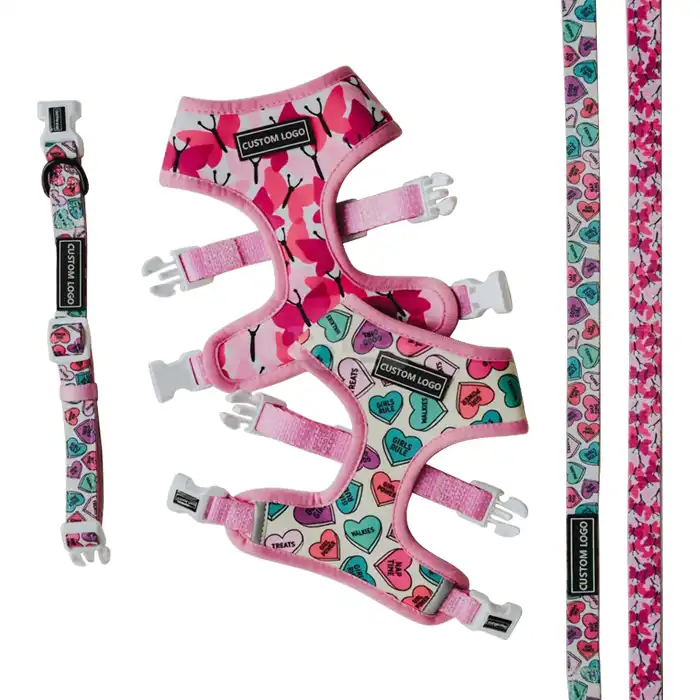
OEM and ODM production relationships let you make changes, like where to put your logo, how to choose colors, and how to incorporate your packaging design. Most of the time, the minimum order quantity is 100 pieces of each size and design combo. The total minimum order quantity is around 300 pieces, which makes it possible to buy in small to medium amounts at a low cost. When a supplier is evaluated, their production capability, quality control system, and export license are all checked. Companies that have been around for a while and have more than one location show that their supply chains are stable and have the potential to grow. If a company has ISO9001 approval, it means that they follow world standards for quality management. Sample development times of about 15 to 20 days allow for trying the market and judging the product before committing to full production. Production delivery plans of 30 to 45 days help with planning supplies and adapting to changes in seasonal demand that are common in markets for pet products.
Post-Sale Support and Partnership Development
Full support after the sale includes technical help, teaching tools for the product, and quick ways to communicate. Suppliers that offer bilingual help make it easier for people in different countries to work together. Problem-solving skills and a willingness to take care of problems before they happen are signs of a possible long-term relationship. Customizable packaging choices, such as individual OPP bag presentation, hang tag integration, and branded box designs, meet the needs of store presentation. These value-added services help buyers tell sellers apart while also making sourcing easier for procurement workers.
Future Trends and Trainer-Driven Innovations in Dog No-Pull Harnesses
Dog No Pull Harnesses are still changing quickly thanks to new technologies, the use of eco-friendly materials, and better practical design principles. These changes show that professional dog trainers, medical experts, and innovative companies that care about improving dog health are still working together.
Emerging Technologies and Material Innovation
Manufacturers are looking into recycled polyester webbing, organic cotton options, and biodegradable packing solutions as part of a big move toward using sustainable materials. These changes are meant to meet the needs of pet owners who care more about the environment while still meeting the performance standards needed for business use. Beyond the standard uses of Scotchlite, reflective materials have improved to include photoluminescent substances that keep things visible for longer after the light source is turned off. Better sight directly leads to safer exercise times in the early morning and late evening, which are popular in cities.
Evolving Trainer and Manufacturer Collaboration
Professional trainer feedback is having a bigger impact on the development processes of new products. This is because more and more makers are putting in place official consultation programs that get feedback from field experience. This partnership makes sure that new features solve real-world training problems while still working with tried-and-true methods of changing behavior. Training certification program development includes harness-specific education courses that make sure they are used correctly with a wide range of dog groups. These teaching programs help people use the product and keep the professional community's standards for fair training high.
Conclusion
In 2026, most professional dog trainers say that Dog No Pull Harnesses are necessary tools that will change the way dogs are trained using gentle, scientifically-proven methods. Advanced materials, ergonomic design principles, and biomechanical knowledge have come together to make goods that successfully deal with pulling behavior and encourage long-term behavior change. These harnesses meet strict professional needs in a wide range of settings thanks to high manufacturing standards, thorough testing methods, and new ideas suggested by trainers. The growing use of eco-friendly materials and smart technology makes no-pull collars essential items in the world's pet care market, which is still growing.
FAQ
What makes Dog No Pull Harnesses effective for training?
Dog No Pull Harnesses have connection points on the front that rotate when the dog pulls. This forces the dog to move toward the owner without hurting or stressing them. This physical method stops pulling behavior while still following standards for gentle training.
How do I ensure proper fit for different dog sizes?
For a professional fit, measure the dog's chest circumference at its biggest point and make sure the leash sits about two inches behind the front legs. If you want to tighten the straps, you should be able to fit two fingers between the leash and the dog's body.
Can these harnesses cause chafing or discomfort?
Good harnesses have padded touch points and longer chest straps that keep sensitive areas from chafing. Professional-grade goods are different from cheaper ones that might change the way you walk because the Y-shaped front design lets your shoulders move freely.
Are no-pull harnesses suitable for all dog breeds?
Harnesses today come in sizes XS to XL, so they can fit all kinds of dogs, from small toy dogs to big working dogs. Veterinary workers should check out dogs with certain health problems, though, before putting on a harness.
How long does it typically take to see training results?
After just a few walks, most dogs start to feel better, and after two to three weeks of regular use, their behavior changes in big ways. The harness helps with teaching and control, while positive reinforcement makes the dog's behavior better in the long term.
Partner with Dolet for Premium Dog No-Pull Harnesses Manufacturing
Dolet stands as your trusted Dog No Pull Harnesses supplier, combining decade-long expertise with cutting-edge manufacturing capabilities across our three specialized facilities. Our comprehensive OEM and ODM services transform your concepts into market-ready products featuring waterproof Oxford fabric, breathable mesh, and customizable logo options, including rubber, PVC, woven, and leather patch applications. With SGS, ROHS, and REACH certifications, a competitive MOQ of 100 pieces per size, and efficient 15-20 day sample development, we deliver exceptional quality that professional trainers recommend. Contact our team at booka@163.com to explore how our manufacturing excellence can elevate your pet product portfolio and capture growing market opportunities in the thriving no-pull harness segment.
References
1. American Kennel Club Training Standards Committee. "Humane Training Equipment Guidelines for Professional Dog Trainers." Canine Behavior and Training Journal, 2026.
2. International Association of Canine Professionals. "Biomechanical Analysis of No-Pull Harness Systems in Working Dogs." Professional Dog Training Quarterly, 2026.
3. Veterinary Orthopedic Society. "Cervical Injury Prevention in Canines: Equipment Recommendations for Safe Exercise Management." Journal of Veterinary Orthopedics, 2026.
4. Pet Industry Market Research Institute. "Global Pet Training Equipment Trends and Professional Adoption Rates." Pet Product Manufacturing Analysis, 2026.
5. Certified Professional Dog Trainers Association. "Evidence-Based Training Tool Evaluation: Long-term Efficacy Studies." Applied Animal Behavior Science Review, 2026.
6. International Pet Product Safety Commission. "Material Safety Standards and Certification Requirements for Canine Exercise Equipment." Pet Product Safety Guidelines, 2026.