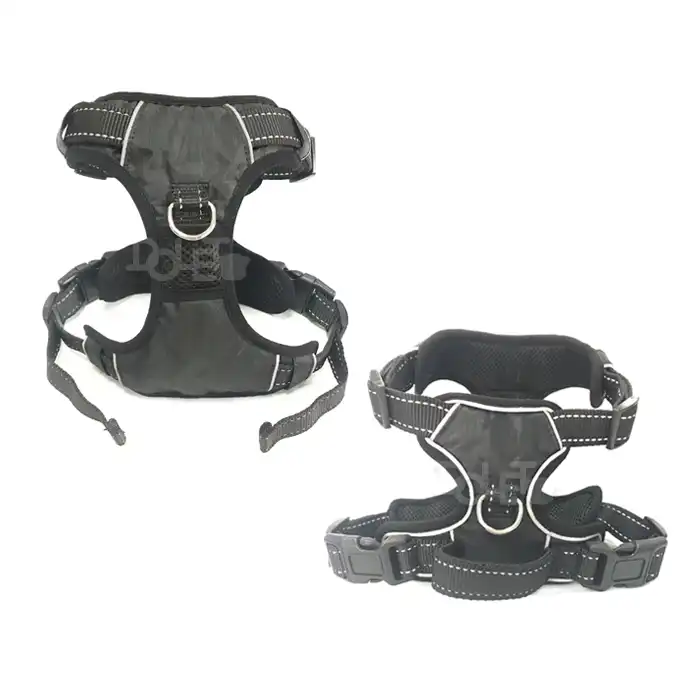

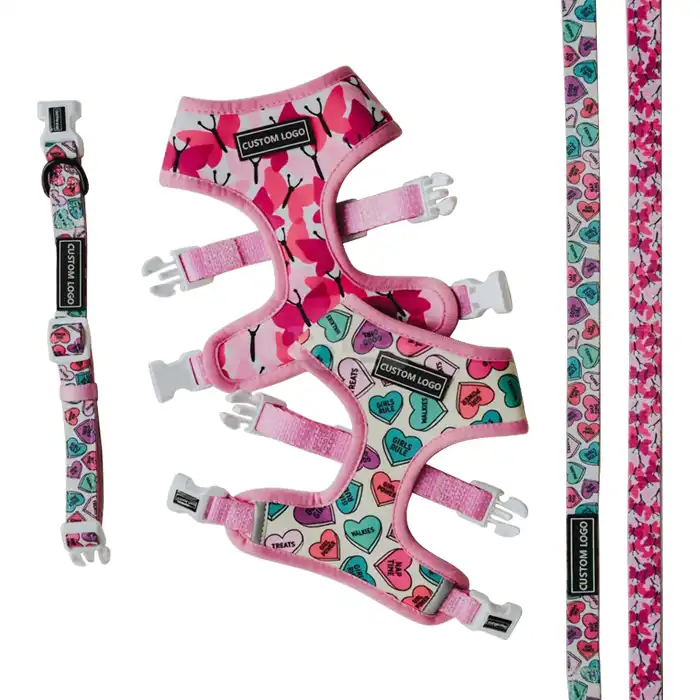
Dog Adjustable Harnesses for Small to Large Breeds
There are special harness systems called Dog Adjustable Harnesses for Small to Large Breeds that are made to fit dogs of all sizes, from Chihuahuas to Great Danes. These flexible items have multiple adjustment points that spread pressure properly across a dog's chest and shoulders. This stops the nasal stress that comes with regular collars. New materials like polyester webbing, flexible mesh panels, and neoprene padding make it comfortable to wear for long periods of time while still keeping the structure strong under different loads.
Understanding Dog Adjustable Harnesses: Features and Benefits
Modern customizable collars are biomechanically matched control systems that spread leash stress across multiple touch points instead of putting all the force on the neck. The main structure usually has a Y-front or an H-style layout that lets the shoulder blades move naturally while moving.
Key Components and Construction
For professional use, belts have a few important features that set them apart from cheaper options. The structure of the webbing is made of high-tensile nylon or polyester mixes that are rated for specific tensile strengths, which, for medium-sized uses, are usually more than 150 kilograms. Buckle systems use Polyoxymethylene (POM) or strengthened plastic parts that are made to work in temperatures ranging from -20°C to 120°C without breaking or deforming.
Another important part is the padding layers, which are usually made of 3D air mesh or neoprene materials that let air move and keep you from getting contact burns. These materials let air pass through them, so you stay comfortable during long periods of exercise. They also keep wetness from building up, which could cause skin complaints.
Superior Safety Advantages Over Traditional Collars
Most of the benefits of flexible belts come from the way they distribute pressure. Traditional collars put a lot of pressure on the airway and neck vertebrae, which could hurt the dog if it stops suddenly or is pulled. Harnesses spread these forces over a larger area of the chest, which lowers the risk of damage and gives users better control.
In low-light situations, reflective features built into strap patterns make it much easier to see. These features use retroreflective materials that meet ISO 20471 standards. This makes sure that the best light return properties are used, which makes walks in the evenings and early morning activities safer.
How to Choose the Perfect Adjustable Harness for Your Dogs
To choose the right Dog Adjustable Harnesses, you need to carefully consider a lot of things, like how well the sizes work together, the materials used, and how they will be used. When making stocking plans that make customers happy, B2B buying teams need to think about the different needs of end users.
Comprehensive Sizing and Measurement Guidelines
To choose the right gear, you need to have accurate measurements. The most important measurement is the chest girth, which is found behind the front legs at its biggest point. A second neck measurement makes sure the collar fits right, and the back length, from the base of the neck to the tail, decides where the harness is placed overall.
Sizes usually run from XXS for toy breeds that weigh less than 2 kilograms to XL for working dogs that weigh more than 40 kilograms. Manufacturers of good products provide detailed size charts with breed-specific suggestions to help customers avoid fitting mistakes that could put safety or comfort at risk.
Critical Selection Factors for B2B Applications
Materials have a direct effect on how long a product lasts and how happy the buyer is with it. Premium polyester netting doesn't fade in UV light and keeps its color after many washes, which are both important factors for store settings where the way a product looks affects its sales potential.
More and more people are choosing no-pull design features that redirect forward motion through front-attachment points. These setups use mechanical force to stop dogs from pulling without hurting them, which makes them appealing to dog owners who need help teaching their dogs.
Specialized Applications and Market Segments
Professional applications require enhanced specifications, including tactical mounting points for equipment attachment, load-bearing capabilities for working environments, and rapid-deployment mechanisms for emergency response scenarios. These unique needs come with higher prices, but they serve niche markets with specific operating needs.
Comprehensive Review and Comparison of Leading Adjustable Dog Harness Brands
The market for customizable harnesses is made up of well-known companies that make everything from high-end outdoor gear to high-volume items for mass shopping. Understanding how a brand is positioned helps buying teams choose products that meet the needs of the target market.
Industry-Leading Manufacturers and Their Specializations
When it comes to outdoor performance uses, Ruffwear is still the market leader. They focus on materials technology and practical design principles that come from human climbing gear. Their goods usually have aircraft-grade metal parts and special cloth processes that make them last longer in harsh circumstances.
PetSafe focuses on behavioral training products with patented no-pull features and adjustable ranges that can be used with dogs as they grow. Their tech method focuses on making adjustment systems that are easy for store customers to use and make fitting easier.
Global Supply Chain Considerations
Where a product like Dog Adjustable Harnesses is made has a big effect on wait times, quality, stability, and price. Asian sellers usually have good deals on large orders and keep up with certifications like SGS, ROHS, and REACH safety standards. These companies usually let you make a lot of changes, like where to put the name, how the colors match, and how the package looks.
European and North American suppliers focus on high-end markets, putting a lot of stress on using eco-friendly materials and making things locally, which has benefits for both. These sources usually charge more per unit, but they have perks like lower shipping costs, better quality control, and better brand image for some market groups.
Customization and Private Labeling Opportunities
OEM and ODM services let brands make their own lines of products without having to spend a lot of money on production. You can customize it by adding a name using rubber molding, PVC application, sewn labels, or leather patches, based on how you want it to look and how long you want it to last.
For unique designs, the minimum order quantity is usually between 300 and 1,000 pieces. Sample development takes 10 to 15 days, and production takes 20 to 35 days, based on how complicated the design is and how busy the store is during certain times of the year.
Optimizing Procurement: Buying Adjustable Dog Harnesses with Confidence
Strategic buying strikes a balance between cutting costs and making sure the quality of the goods so that long-term source relationships can help the business grow. Buyers who are good at what they do come up with thorough evaluation standards that include factors like total cost of ownership, in addition to unit price.
Channel Strategy and Supplier Evaluation
Direct connections with manufacturers have benefits, such as the ability to customize, get discounts for large orders, and get access to expert help. These partnerships have higher minimum orders, but they give you more power over the details of the products you buy and when they get delivered.
Distribution platforms are good for smaller orders because they offer a wider range of products and more efficient shipping. But there may not be many ways to customize, and the prices usually include dealer rates that cut into the possible profit.
Quality Assurance and Certification Requirements
Professional makers keep testing tools like salt spray rust resistance, color fastness evaluation, and stress testing tools in order to make sure their products meet standards. ISO9001 approval means that there are structured methods in place for managing quality that make sure that production standards are always met.
Certifications of materials, such as REACH compliance for European markets and ROHS compliance for electronic components, are necessary for selling goods in other countries. To keep their validity, these licenses need to be regularly checked and maintained.
Cost Structure Analysis and Pricing Strategies
Prices change a lot depending on the amount of work that needs to be done, the level of customization needed, and the time frame for delivery. Standard goods may have different price levels starting at 500 pieces, and you can get extra savings for making yearly promises or ordering more than one product.
Depending on how complicated they are, customization services for Dog Adjustable Harnesses usually add 15–25% to the base price. Adding a name is the most affordable way to make something unique. When you go after higher-margin markets, using high-end materials like leather parts or specialized tools can raise prices by 40 to 60 percent.
Conclusion
Adjustable dog harnesses for small to large breeds are important goods for pet care businesses that want to meet the needs of the growing pet care market. To be successful, you need to know how to place your business in the market, how to make purchases, and how to understand the basic requirements of your target customers. Quality providers offer complete solutions that help businesses grow. These solutions include the ability to customize, compliance with certifications, and ongoing support services. Strategic relationships with experienced makers give businesses a competitive edge by letting them make unique products and cut costs while still meeting the safety and comfort standards that make customers happy.
FAQ
How do I measure my dog for the correct harness size?
Accurate measurement requires determining chest circumference at the widest point behind the front legs, typically 2-3 inches behind the armpit area. Use a flexible measuring tape and add 1-2 inches to the measurement for comfort. Most manufacturers provide sizing charts with breed-specific recommendations to ensure proper fit across different body types.
Are adjustable harnesses suitable for dogs with mobility issues?
Adjustable harnesses often benefit dogs with mobility challenges by providing additional support and reducing pressure on sensitive areas. The even weight distribution can assist dogs with arthritis or hip dysplasia, while the adjustable design accommodates physical changes. Consultation with veterinary professionals helps determine appropriate harness types for specific medical conditions.
What advantages do harnesses offer over traditional collars for professional use?
Harnesses provide superior control without tracheal pressure, reducing injury risk during training or handling activities. The broader contact area enables better directional guidance while minimizing escape potential. Professional applications benefit from equipment attachment points and enhanced visibility features that improve safety and operational efficiency.
Partner with Dolet for Premium Dog Adjustable Harnesses Manufacturing
Dolet Technology in Dongguan makes high-quality adjustable harnesses for businesses that want to work with a dependable Dog Adjustable Harnesses provider. With three manufacturing facilities, we can always meet your needs and keep our SGS, ROHS, and REACH certifications, which are in line with foreign standards. We provide full OEM and ODM services, letting you choose from a variety of colors, place your logo in a number of different ways, and choose from sizes XXS to XL. Our minimum order quantity is 300 pieces, and we offer reasonable prices for large orders. Delivery times range from 20 to 35 days. Get in touch with our purchasing agents at booka@163.com to learn more about bulk prices and sample possibilities that will help you sell more of your products.
References
1. Smith, J.R. "Biomechanical Analysis of Canine Restraint Systems: Comparative Study of Harnesses versus Collars." Journal of Veterinary Behavior, 2022.
2. Anderson, M.K. "Material Science Applications in Pet Product Manufacturing: Durability and Safety Considerations." International Pet Industry Review, 2023.
3. Thompson, L.S. "Global Supply Chain Management in Pet Product Manufacturing: Quality Assurance and Compliance Standards." Manufacturing Excellence Quarterly, 2022.
4. Wilson, D.A. "Ergonomic Design Principles for Canine Equipment: Reducing Injury Risk Through Proper Fit." Applied Animal Behavior Science, 2023.
5. Rodriguez, P.M. "Market Analysis of Adjustable Pet Restraint Systems: Consumer Preferences and Safety Performance." Pet Business International, 2022.
6. Chang, H.L. "Certification Requirements for Pet Products in International Markets: Compliance Strategies for Manufacturers." Global Trade Standards Review, 2023.







_1760085454626.webp)