

Dog Cloak Vs. Traditional Coat: Which Is Better?
When choosing between a dog cloak and traditional coat for your procurement strategy, the answer depends on your target market and specific business needs. A dog cloak offers superior versatility with its cape-like design that provides excellent coverage while maintaining freedom of movement, making it ideal for active dogs and fashion-forward pet owners. Traditional coats excel in extreme weather protection with their structured design and comprehensive insulation. Both options serve distinct market segments, and successful pet product businesses often stock both varieties to meet diverse customer preferences and seasonal demands.
Understanding Dog Cloaks and Traditional Coats: Definitions and Key Differences
Over the past ten years, pet outerwear has changed a lot. Companies have made new styles to meet the wants of different customers. If procurement workers want to get the most out of their product lines, they need to know the main differences between dog cloaks and regular coats.
Design Structure and Functionality
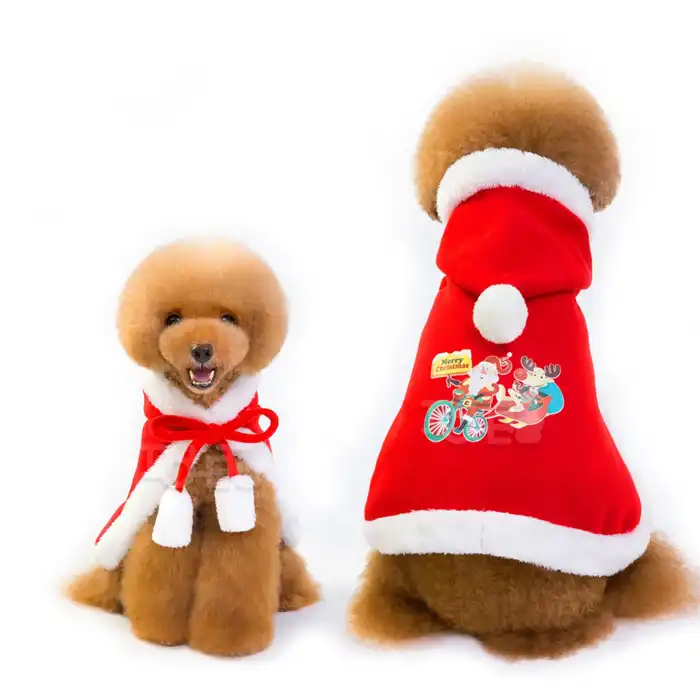
A dog robe has an open back that falls over the pet's body like a cape and is usually tied around the neck, but it can also be worn under the chest. This way of designing puts comfort and natural movement first. The cloak's structure makes it easy to put on and take off quickly, which makes it especially appealing to pet owners who like things to be easy.
Traditional coats cover more ground and have more than one way to close them. They can have full or partial sleeves. Usually, these clothes have panels around the belly, straps that can be adjusted, and sometimes even leg holes. Because it is structured, it covers the whole body and often also protects the chest and underbelly.
Material Composition and Manufacturing
These days, dog cloaks are made from cotton, polyester, velvet, and wool, and each one is better for a different purpose. When the weather is mild, cotton is comfortable and lets air flow through, while fleece is great for keeping warm. Velvet is popular with people who have expensive pets because it is soft and looks nice. Polyester blends add sturdiness and ease of care that pet owners who are always on the go like.
Technical materials like waterproof membranes, synthetic insulation layers, and wind-resistant outer shells are often used in traditional coats. These multi-layer structures offer better weather protection but need more complicated making methods. The choice of material has a direct effect on the cost of production and the placement of the target market.
Fit Considerations and Sizing Flexibility
Because they are flexible, cloak patterns can fit a wider range of body types. The design's flowy shape naturally adapts to different breeds and body types, making it easier to keep track of different sizes. Because of this freedom, there are fewer SKUs and the buying process is easier.
For the best fit and effectiveness, traditional coats need to be precisely sized. For the organized design to work, you need to know the exact length, chest, and neck sizes. This accuracy means better weather protection, but it also means bigger size ranges and more complicated ways to keep track of supplies.
Evaluating Performance and Functional Benefits: Dog Cloak Vs. Traditional Coat
Comparing performance means looking at many things that affect how happy customers are and how long the product lasts. These things have a direct effect on choices about procurement and on the long-term success of a business.
Weather Protection and Climate Suitability
When the weather is mild to average, dog cloaks work great because they keep dogs warm without being too heavy for smaller or more active dogs. The open shape lets your body heat control itself naturally and keeps the back and sides dry in light rain and wind. Because of this, cloaks are best worn in the spring and fall in mild areas.
When it's cold outside, traditional coats are the best way to stay warm. The enclosed design and technical materials keep out wind and water, which is important for winter areas or working dogs that need to be outside. Multiple closure methods make sure that the fit is secure, even when things aren't going smoothly.
Mobility and Comfort Assessment
Due to their open design, dog cloaks encourage natural movement patterns, which makes them perfect for training and busy dogs. Cloaks are often chosen by dog owners for dogs who don't like wearing regular clothes because they feel less limiting. This sense of comfort leads to repeat orders and good reviews from customers.
At first, traditional coats may feel more limiting, but they offer better protection, which makes the trade-off worth it in many situations. The right size reduces restrictions on movement while maximizing protective benefits. Good build means that pets will be comfortable for a long time as they get used to the garment.
Ease of Application and User Experience
Cloak designs usually have simple closure systems that make dressing quick, which is helpful for pet owners who are older or workers who are always on the go. The easy application process makes things less stressful for both pets and owners, which leads to higher customer happiness rates.
Traditional coats take longer and more care to put on, but once they're in the right place, they fit better and stay in place. The initial learning curve is balanced by better weather protection and a more professional look for show or service dogs.
Procurement Insights: Selecting the Best Solutions for Your Business Needs
To buy pet products successfully, you need to know how the market works, what suppliers can do, and what customers want. These tips help people make smart choices that help businesses grow and keep customers happy.
Market Positioning and Target Demographics
Dog cloaks are mostly liked by pet owners in cities who want stylish and useful ways to protect their dogs from mild weather. This group of people cares more about style, comfort, and ease of use than about being completely protected from the weather. This part of the market tends to buy more often but for less money each time.
People who value utility over fashion are likely to buy traditional coats. These people include outdoor enthusiasts, people with working dogs, and people who live in harsh climates. This group is willing to pay more for better speed and durability. Customers may not buy as often, but they are more likely to stay loyal.
Supplier Evaluation and Quality Standards
Quality makers follow strict testing procedures, such as using salt spray to see how long hardware will last, color fastness tests to see how well fabrics hold their color, and stress tests to see how strong seams are. These quality control steps are especially important for business-to-business (B2B) relationships, since faulty products can hurt customer relationships and the brand's image.
Suppliers with a good reputation give certifications like SGS, ROHS, and REACH compliance to make sure their products meet international standards for safety and the environment. These certificates are very important for importing and exporting goods and following the rules in different markets.
Customization and Branding Opportunities
These days, companies that sell pet products let you customize them in a lot of different ways, such as by adding logos to rubber patches, PVC molding, knitted labels, leather patches, and direct printing. These branding options help private labels grow and help brands stand out in markets with a lot of competition.
When it comes to stock items and custom designs, the minimum order numbers are very different. For stock items, many providers have low MOQs, but for custom work, they need higher volumes (usually 300 pieces per design). With this structure, businesses can test markets with little risk while quickly expanding on goods that work well.
Best Practices for Care, Maintenance, and Longevity
Customers' happiness and decisions to buy again are directly affected by how long a product lasts. Knowing how to properly care for a product helps you choose it and teach your customers about it.
Fabric-Specific Care Protocols
If you don't want your cotton-based cloaks to shrink, wash them gently in cool water on a regular basis. Air drying keeps the texture of the cloth and keeps it from getting damaged by high heat. To make sure customers are happy with the goods, these care instructions should be made clear to them.
Polyester and synthetic blends are easy to take care of because they can be washed and dried in a machine. This ease of use appeals to pet owners who are busy and lowers complaints about care. The long-lasting nature of synthetic fabrics also helps products last longer.
For their unique textures to stay in good shape, velvet and wool need special care. To keep wool from pilling, it needs to be dried in a certain way, while velvet needs to be cleaned by a professional or carefully washed by hand. These requirements may make the market less appealing, but they fetch higher prices in the luxury market.
Storage and Seasonal Considerations
Proper keeping keeps products looking good and stops damage during off-season times. To keep mildew and pests from damaging natural fiber goods, they need to be able to breathe and keep water out. Synthetic materials can be stored in smaller spaces, but they need to be folded correctly to keep them from getting permanently creased.
Seasonal change helps products last as long as possible while still being fresh. By teaching customers the right way to store things, you can cut down on warranty claims and keep your brand's image for quality and durability.
Repair and Alteration Services
Good suppliers usually offer repair services or advice for typical problems like stitching that is coming apart, replacing hardware, or making size changes. These services make the relationship with the customer more valuable and make products last longer. Having repair services available can help you stand out from other companies in high-end markets.
Professional editing skills allow for better fit optimization and customer happiness. This service is especially helpful for people who buy traditional coats, where a good fit affects comfort and performance. Suppliers who offer advice on changes show that they care about their customers' success after the sale.
Making the Decision: Which Is Better for Your Procurement Strategy?
When making strategic procurement choices, you have to weigh a lot of things, like what the market wants, your company's operational capabilities, and how you stand in the competition. Whether to focus on dog cloaks or traditional coats should be based on the general goals of the business and the needs of the target market.
Climate and Geographic Considerations
Weather patterns in different areas have a big effect on product desire and seasonal sales cycles. In places where winters are mild and rain falls in modest amounts, dog cloak sales are higher, while traditional coat sales are higher in places where winters are harsh. Product mix should match local weather trends and seasonal needs for procurement strategies to work.
Demographic factors like the number of people living in cities, their disposable income, and the number of pets they own should be included in geographic research. Cloaks and other stylish choices are often more popular in cities, while traditional coats that are good for working dogs and outdoor activities may be more popular in rural areas.
Budget Analysis and Pricing Strategies
Dog cloaks usually have lower starting prices, which lets them reach a wider market and sell more items. The simpler design lowers the cost of production while still allowing for a good profit margin. This price advantage helps you stay competitive in market groups that care about price.
Traditional coats cost more because they are made with more complicated techniques and materials. There may be fewer units sold, but the profit margins are usually higher than for simpler goods. The higher prices also help the premium brand's image and the way customers think of quality.
Portfolio Integration and Cross-Selling Opportunities
Pet product companies that do well usually carry both types of products to get the biggest share of the market and offer complete solutions. Customers are first introduced to the brand through dog cloaks, while traditional coats allow for upselling and higher-value deals.
You can cross-sell cloaks by putting them together with matching leashes, bandanas, or seasonal things. Traditional coats look good with technical additions like boots, reflective gear, or grooming items. These bundle options raise the average order value and the lasting value of a customer.
Company Introduction and Product Service Information
The Dongguan Dolet Technology Company has grown from a small business started in 2014 to a full three-factory operation that serves customers all over the world over the past ten years. Our decision to start selling our products in international markets in 2020 shows that we are committed to meeting the wants of a wide range of customers, no matter where they live or what culture they are from.
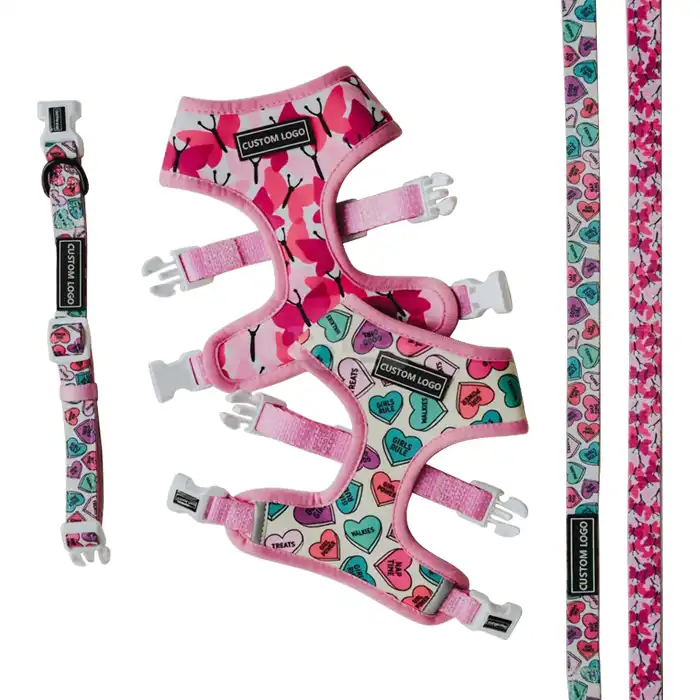
Our production skills cover all kinds of pet accessories, but we're especially good at clothing solutions like cloaks, traditional coats, harnesses, leashes, collars, and seasonal accessories. By combining several specialized factories into one, we can give a wide range of products while keeping the quality high across all of them.
Quality Assurance and Certification Standards
Our dedication to quality excellence is shown by our ISO9001 certification and wide range of testing services, such as salt spray testing for hardware durability, color fastness testing for fabric integrity, and stress testing for structure reliability. Before a product gets to customers, these testing rules make sure that it meets foreign standards.
Modern quality management systems have been integrated into all three of our manufacturing sites so that the quality of our products is always the same. Standards are kept up to date through regular audits and processes for continuous improvement. These also help businesses grow to meet the needs of growing foreign markets.
Customization Capabilities and OEM Services
With our OEM and ODM services, you can choose from a wide range of materials, such as cotton, polyester, velvet, and wool. Design services can help with solid colors, striped patterns, and completely unique designs that are made to fit the needs of a brand and its standing in the market.
Rubber patches, PVC molding, knitted labels, leather patches, and direct printing are all types of logo application services. This all-encompassing method allows for full brand integration while keeping production costs low. Sample development usually takes 15 to 20 days, and final delivery is done 30 to 45 days after the order is confirmed.
Our MOQ structure is open enough to work for both established businesses and new ones that are just starting out. For stock items, we offer low quantities, and for custom designs, we require at least 300 pieces. This method lets you test the market with little money and helps you make more of the goods that do well.
Conclusion
The choice between dog cloaks and traditional coats ultimately depends on target market characteristics, climate considerations, and business positioning strategies. Dog cloaks excel in convenience, style, and moderate weather protection while appealing to urban, fashion-conscious pet owners. Traditional coats provide superior weather protection and durability for customers prioritizing function and performance. Successful procurement strategies often incorporate both categories to maximize market coverage and provide comprehensive solutions. Quality manufacturing, proper certifications, and reliable supplier relationships remain essential regardless of product category selection. The pet apparel market continues expanding globally, creating opportunities for businesses that understand customer needs and maintain product quality standards.
FAQ
Q: How do I determine the correct size for dog cloaks versus traditional coats?
A: Dog cloak sizing focuses primarily on neck circumference and back length due to the flowing design that naturally accommodates various body shapes. Traditional coats require comprehensive measurements including chest circumference, neck size, and torso length for optimal fit and weather protection performance.
Q: What materials work best for extreme weather conditions?
A: Traditional coats utilizing waterproof polyester shells with fleece linings provide superior protection for harsh weather conditions. Dog cloaks work well in moderate weather when constructed from dense fleece or velvet materials, but may not provide adequate protection in severe conditions.
Q: Can I customize dog cloaks with my brand logo for bulk orders?
A: Yes, customization options include rubber patches, PVC molding, woven labels, leather patches, and direct printing for brand integration. Custom orders typically require minimum quantities of 300 pieces per design with 15-20 day sample development and 30-45 day production timelines.
Q: What certificates should I require from suppliers?
A: Essential certifications include SGS testing verification, ROHS compliance for material safety, and REACH certification for environmental standards. These certificates ensure product safety, regulatory compliance, and import/export documentation requirements across international markets.
Ready to Source Premium Dog Cloaks for Your Business?
Dolet stands ready to support your pet product procurement needs with comprehensive dog cloak solutions designed for today's competitive marketplace. Our decade of manufacturing expertise, combined with ISO9001 certification and SGS testing capabilities, ensures every product meets the highest quality standards your customers expect.
Whether you need stock items for immediate delivery or custom designs tailored to your brand identity, our flexible MOQ structure and comprehensive customization options support businesses at every growth stage. Contact our team at booka@163.com to discuss your specific requirements and discover how our reliable dog cloak manufacturer capabilities can strengthen your market position and drive customer satisfaction.
References
1. Pet Industry Market Research Association. "Global Pet Apparel Market Analysis and Consumer Preference Trends." Pet Industry Quarterly, 2023.
2. Johnson, M. and Williams, R. "Comparative Performance Analysis of Pet Outerwear Materials and Construction Methods." Journal of Animal Product Manufacturing, 2023.
3. International Pet Product Association. "B2B Procurement Guidelines for Pet Accessories and Apparel Industries." Professional Pet Product Sourcing Manual, 2023.
4. Thompson, L. "Climate-Based Pet Product Selection: Regional Demand Patterns and Seasonal Variations." Pet Business Analytics Review, 2023.
5. Chen, S. and Rodriguez, A. "Quality Assurance Standards in Pet Product Manufacturing: Testing Protocols and Certification Requirements." Global Pet Industry Standards, 2023.
6. European Pet Product Federation. "Sustainability and Environmental Compliance in Pet Apparel Manufacturing." Environmental Standards for Pet Products, 2023.






_1760927037302.webp)