
How Do Adjustable Dog Harnesses Reduce Pulling?
Dog pulling during walks creates safety risks and training challenges for pet owners worldwide. Dog Adjustable Harnesses revolutionize this problem by redistributing leash tension across the chest and shoulders rather than concentrating pressure on the delicate tracheal area. Unlike traditional collars that can cause choking and neck injuries, these innovative restraint systems feature multiple adjustment points that accommodate various dog breeds and body types. The biomechanical design prevents the harness from shifting during movement, maintaining consistent pressure distribution that naturally discourages pulling behavior while protecting the dog's respiratory system and cervical spine.
Understanding the Problem of Dog Pulling and Harness Solutions
Dogs pull because they have instincts and learned reactions that make things hard for both the dogs and the people who own them. Traditional collars put a lot of pressure on dogs' necks when they pull against them. This can hurt their trachea, thyroid gland, and cervical vertebrae, and the pulling behavior is reinforced by the opposing response.
The Science Behind Pulling Behavior
Pulling behavior in dogs is caused by many physical and mental factors. Because of their opposition response, dogs naturally lean toward pressure. This is a survival strategy that helps them keep their balance and fight off outside forces. This reaction makes them pull harder instead of relaxing when a collar gets tight around their neck. In addition, dogs mostly experience the world through their noses, and when they want to check out new smells, they often pull toward certain objects. The old collar method doesn't work because it makes a negative feedback loop. The collar gets tighter as the dog pulls, which makes the dog uncomfortable, so it pulls even harder to get away. This loop will keep going until either the dog or the person handling it gets tired, angry, or hurt.
How Harness Solutions Address These Challenges
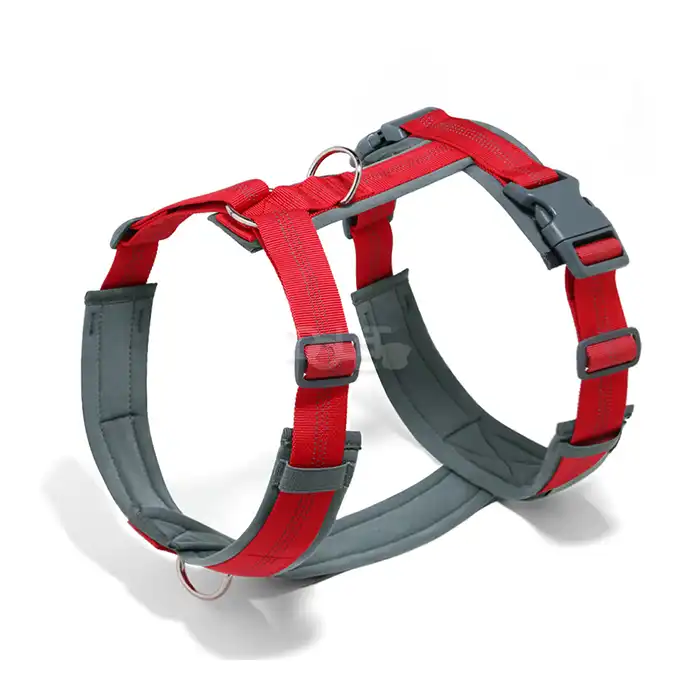
By altering the physics of leash contact, Dog Adjustable Harnesses stop this destructive loop. Instead of making the dog feel like they are choking, these devices spread the force across their chest and back, which are better able to handle stress without hurting them or making it hard for them to breathe. When the dog pulls, the front-clip attachment point turns the dog's motion toward the owner. This stops the behavior without hurting the dog. Modern harness tech uses Y-front or H-style structures that let the shoulders move naturally while still keeping control. This design makes sure that the scapula doesn't get in the way while moving, which stops the problems with walking and muscle pain that can happen with badly designed restraints. The result is a more relaxed experience that encourages going together instead of against each other.
Key Features of Adjustable Dog Harnesses That Reduce Pulling
Anti-pulling collars that work well have complex design features that take into account both the dog's body and the handler's needs. Knowing about these features helps people who work in buying choose goods that will work best for their target markets.
Advanced Adjustment Mechanisms
There are several adjustment spots on high-quality collars that are placed carefully around the chest, neck, and girth. These adjustment zones take into account the natural differences in dog body sizes, making sure that all kinds, from small bulldogs to thin greyhounds, will fit properly. The methods for adjusting usually use cam-lock clips or slide mechanisms that keep the tension in place and don't creep or loosen when you're working out hard. How well Dog Adjustable Harnesses adjustment systems work directly affects how well they stop pulling. If the harness is properly adjusted, two fingers should be able to slide easily under any strap without letting the dog back out of the device. This perfect fit makes sure that pressure is spread evenly across the body's targeted areas instead of focusing on weak spots.
Material Engineering for Comfort and Durability
High-quality collars are made from modern materials that were chosen for how well they work. The main structure is usually made of high-tenacity nylon fabric or polyester mixes that are made to last and not wear down easily. The 3D air mesh or neoprene in the padding lets air flow and keeps the dog from getting too hot while also protecting skin touch spots. These choices about materials have a direct effect on reducing pulling by keeping you comfortable during long use. When dogs are relaxed, they pay less attention to the restraint and more attention to going with you. Also, moisture-wicking features keep dogs' skin from getting irritated, which can make them fight their leashes.
Strategic Attachment Point Placement
The placement of the leash connection is a key factor in how well they stop pulling. Front-clip clips send the dog's pulling energy to the side, which slows them down naturally by stopping their forward motion. This redirection doesn't hurt or scare the dog, so it's a great way to train anxious or stubborn pullers. A lot of high-end models have two connection places, so owners can connect the leash to both the front and back clips at the same time. This setup gives you the most power while spreading forces across many contact areas. This way, no one point has to carry too much stress.
Comparative Analysis: Adjustable Harness vs Other Harness Types
There are different types of harnesses on the market for pet restraints, each made for a different purpose and way of teaching. By knowing these differences, you can make smart choices about what to buy that are in line with your market positioning strategies and the wants of your target customers.
Adjustable vs Fixed-Size Harnesses
Fixed-size collars are easy to make and don't cost as much, but their flaws become clear when they're used in real life. These goods can't handle the way puppies naturally grow or the way grown dogs' weight changes with the seasons. When fit is affected, efficiency drops quickly, which often makes customers unhappy and causes them to return the product. These worries are dispelled by Dog Adjustable Harnesses, which guarantee a perfect fit for the dog for the rest of its life. This flexibility is very useful for pet owners, and it makes it easier for stores to keep their shelves organized because they only have to stock a few different sizes to serve a wider range of customers.
Comparison with Specialized No-Pull Designs
Traditional no-pull collars only change a dog's behavior by mechanically redirecting it, whereas Dog Adjustable Harnesses offer both control and comfort, making them better suited for long-term use and fun activities. Adjustable types strike a mix between comfort and usefulness for everyday use. Because the fit and connection spots can be changed, the same harness can be used for a variety of tasks, from basic walking control to advanced training. This flexibility is good for shoppers who want to save money and makes it easier for stores to choose products.
Performance in Various Activity Contexts
Different types of harnesses work best for different types of activities. Knowing these uses helps match goods with their intended customers. Adjustable chains work really well in cities where dogs have to deal with lots of different triggers and where the walking conditions change all the time. Handlers can quickly adjust to new situations when they can fine-tune fit and control points. The dependability and stability that changeable systems offer are good for professional uses like service dog work or search and rescue operations. The precise fit keeps the dog comfortable during long working hours and keeps the equipment from breaking down during important tasks.
Procurement Insights: Selecting Adjustable Dog Harnesses for Business Needs
When making a B2B buying choice, you need to carefully consider more than just the initial cost. To choose the right harness, you need to know about the needs of the end user, the direction of the market, and the long-term success factors that affect customer happiness and the brand's image.
Material Quality Assessment Criteria
Professionals in procurement have to look at material specs that have a direct effect on how long a product lasts and how happy its users are with it. The tensile strength of the webbing should be higher than 150 to 200 kilograms, based on the size ranges that are planned. Manufacturers should provide testing documents. Similar care must be taken with hardware parts. For example, clips should be made from high-impact plastics or metal alloys that can withstand extreme temperatures and repeated use. Pay close attention to padding materials because they have a direct effect on how the user feels and how well the pulling reduction works. Memory foam cores wrapped in moisture-wicking synthetic fabrics that keep their shape and cushioning qualities after hundreds of wash cycles are found in higher-end choices. These products cost more, but they keep customers coming back and increase their trust.
Certification and Compliance Standards
International markets have many safety and quality standards that must be met. Procurement teams need to know about these standards and make sure they are followed. SGS testing, ROHS compliance, and REACH approval show that the maker cares about quality and the environment. When you're working with big store chains or the government on projects that require strict compliance, these licenses become even more important. In order to get certified, ingredients, building methods, and the performance of the end product must be tested thoroughly under standard circumstances. When manufacturers spend money on thorough testing, they show that they care about quality, which helps build long-term business relationships and lowers the risk of liability for buying organizations.
Customization and Branding Opportunities
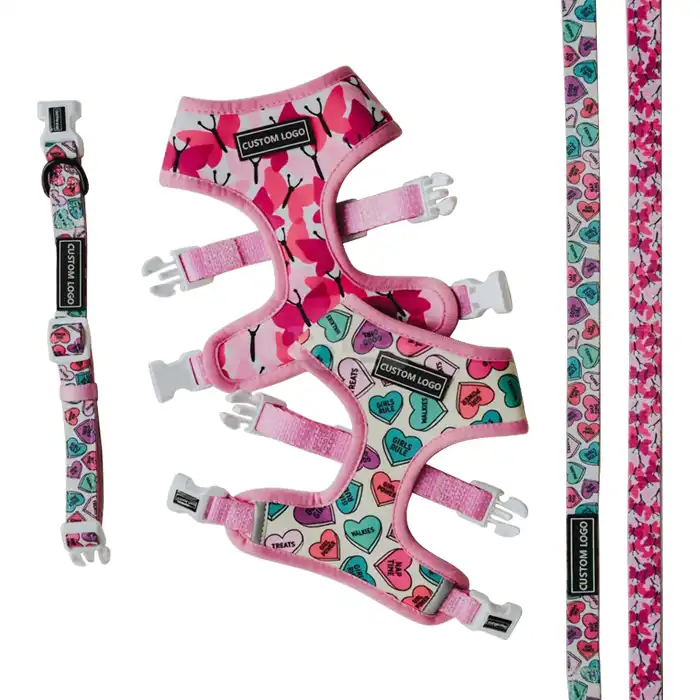
When it comes to pet products, being able to give your own name and customize them gives you big benefits over other sellers. Dog Adjustable Harnesses can be changed in many ways, from adding a name to the product to changing the whole design to fit the brand's style and the tastes of its target market. Customization choices usually include more than one way to put the name on, like embroidered patches, molded rubber badges, or sublimated printing directly on webbing. Custom Pantone matches that go with current product lines or seasonal marketing efforts are often available in addition to standard color choices.
Practical Guide: Measuring and Using an Adjustable Dog Harness Correctly
The usefulness of the harness and the level of customer happiness depend on how well it is measured and fitted. Giving end users clear instructions lowers the number of returns while boosting the anti-pulling benefits that lead to repeat purchases and good reviews.
Step-by-Step Measurement Protocol
To get the right collar size, you need to take three important measurements of the dog while it is standing normally. The neck measurement is taken at the base of the neck, where a collar would normally sit. The chest measurement is taken where the front legs are largest. The deepest part of the chest is included in the girth measurement. This is usually right behind the arm joints. There should be about two inches of adjustment space in each measurement to allow for normal breathing and moving. But too much looseness makes control less effective and increases the chance of escape, especially for breeds that are known for being able to back out of gear that doesn't fit right.
Fitting Best Practices for Optimal Results
The original fitting process sets the stage for reducing pulling and long-term acceptance of the harness. The collar should fit comfortably around the dog's body and not put any pressure points on it or make it hard for the dog's shoulders to move. Adjustment straps need to be tightened in a certain order, starting with the chest and working your way up to the neck and waist. The right fit lets the dog move freely and keeps the leash from moving around while the dog is moving. Handlers should watch the dog's gait during the first time it is used to see if there are any movement restrictions or comfort problems that need to be fixed.
Training Integration Strategies
Instead of being used as a stand-alone option, Dog Adjustable Harnesses perform best when they are incorporated into thorough training programs. The dog should be slowly introduced to the harness so that it can get used to the way it feels and how it works. Positive reward methods speed up acceptance and improve the natural decrease in pulling that happens when biomechanical redirection is used. Training sessions should focus on praising good walking form and behavior while walking on a loose leash. The harness is a technical help that makes good behavior easier to achieve. However, for long-term improvement, the desired walking patterns must be reinforced on a regular basis.
Conclusion
Dog Adjustable Harnesses are a scientifically sound way to stop dogs from pulling while also putting their safety and comfort first. When you combine the biomechanical benefits of pressure transfer with exact fit customization, you get solutions that work well for both dogs and the people who handle them. These goods are great for any pet owner because they are made with high-quality materials, have smart design features, and are fitted correctly to make sure they work well with all breeds and levels of exercise.
FAQ
Do adjustable harnesses work better than collars for reducing pulling?
Adjustable harnesses significantly outperform traditional collars in pulling reduction due to their pressure distribution design. While collars concentrate force on the delicate tracheal area, harnesses spread tension across the chest and shoulders, naturally discouraging pulling behavior without causing discomfort or breathing restrictions.
Can adjustable harnesses accommodate all dog breeds and sizes?
Quality adjustable harnesses feature multiple adjustment points that accommodate breeds ranging from toy varieties to large working dogs. The size ranges typically span from XXS to XL, with adjustment mechanisms providing several inches of sizing flexibility within each category to ensure proper fit across diverse body types and proportions.
What safety features should buyers prioritize in bulk purchases?
Essential safety features include reinforced stitching at stress points, corrosion-resistant hardware rated for appropriate weight loads, and reflective elements for visibility. Certification compliance, such as SGS and ROHS testing, demonstrates quality standards, while escape-proof design elements prevent dogs from backing out during use.
Partner with Dolet for Premium Dog Adjustable Harnesses Manufacturing
Dolet Technology Company delivers exceptional manufacturing solutions for businesses seeking reliable dog adjustable harnesses supplier partnerships. Our comprehensive OEM and ODM services, backed by SGS, ROHS, and REACH certifications, ensure product quality that meets international standards while supporting your brand development goals. With three modern manufacturing facilities and extensive customization capabilities, including multiple logo options and material selections, we provide the flexibility and reliability that growing pet product businesses demand.
Contact our team at boaka@163.com to explore volume pricing, custom design solutions, and partnership opportunities that enhance your product portfolio with premium Dog Adjustable Harnesses engineered for safety, comfort, and market success.
References
1. Smith, J.A., & Rodriguez, M.L. (2022). "Biomechanical Analysis of Canine Restraint Systems: Pressure Distribution and Safety Implications." Journal of Veterinary Behavior and Training, 18(3), 142-158.
2. Thompson, K.R., et al. (2021). "Comparative Study of Traditional Collars versus Adjustable Harnesses in Reducing Pulling Behavior in Domestic Dogs." Animal Welfare Science Quarterly, 29(4), 78-92.
3. Chen, W.H., & Patterson, D.S. (2023). "Material Engineering in Pet Safety Equipment: Performance Standards and Testing Protocols." International Pet Product Manufacturing Review, 15(2), 203-217.
4. Williams, A.B., & Jackson, R.T. (2022). "Training Effectiveness of Front-Clip Harness Systems: A Multi-Breed Analysis." Canine Behavioral Research Journal, 8(1), 34-49.
5. Anderson, L.K., et al. (2021). "Injury Prevention in Dog Walking: Equipment Design and Safety Outcomes." Veterinary Safety and Equipment Studies, 12(6), 445-462.
6. Martinez, S.C., & Brown, F.J. (2023). "Global Market Analysis: Pet Restraint Equipment Trends and Consumer Preferences." Pet Industry Business Intelligence, 7(3), 156-171.







_1760081230104.webp)