
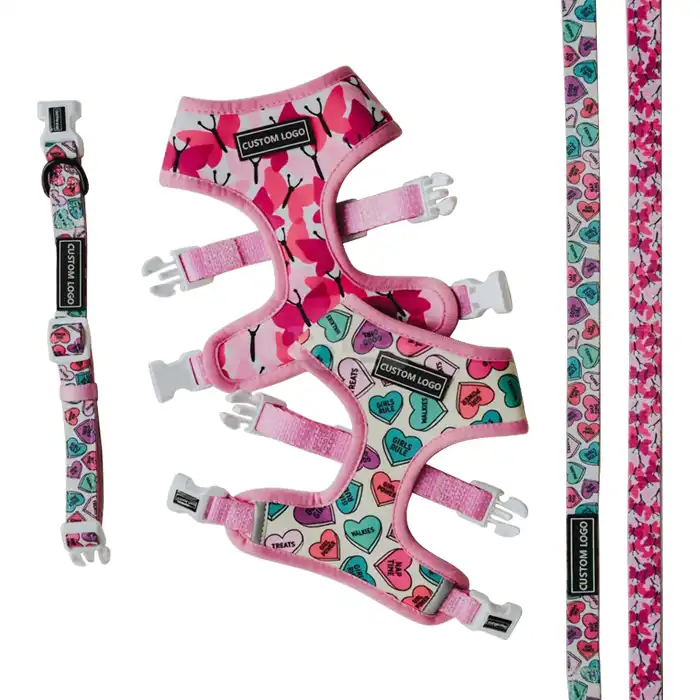
How do Cat Strap Harnesses prevent escape?
Cat strap harnesses prevent escape through strategic design elements that address feline anatomy and behavior patterns. Unlike traditional collars, quality cat harnesses distribute pressure across the chest and shoulders, creating secure contact points that cats cannot easily slip through. The key lies in adjustable strapping systems that conform to each cat's unique body shape while maintaining consistent tension. Multiple attachment points, reinforced stitching, and ergonomic positioning work together to eliminate the leverage points cats typically exploit when attempting to escape. When properly fitted, these harnesses create a secure yet comfortable containment system that respects natural movement while preventing unwanted freedom.
Understanding the Escape Problem in Cat Harnesses
Why Traditional Cat Restraints Fail?
Cats have surprising adaptability and cleverness that make them commonly elude specialists. Their one-of-a-kind skeletal structure permits them to compress their bodies and slip through shockingly small openings. Conventional collars show specific vulnerabilities since cats can utilize their front paws to thrust against the collar, while backing their heads through the opening. This behavior, combined with their common instinct to escape when feeling confined, makes a idealize storm for elude attempts.
The pet adornment market faces noteworthy challenges from these elusive episodes. Client complaints regularly center around saddles that appeared secure amid starting fitting but fizzled amid genuine utilize. Item returns, negative surveys, and security concerns straightforwardly affect brand notoriety and productivity. Understanding these essential issues becomes vital for B2B obtainment experts who must adjust fetched contemplations with unwavering quality requirements.
Common Escape Techniques Cats Employ
Feline elude behavior takes after unsurprising designs that producers must address through astute plan. Cat Strap Harnesses frequently start elude endeavors by getting to be totally still, permitting them to evaluate the saddle structure and recognize frail focuses. They at that point utilize particular procedures such as the "turn around slide," where they curve their backs and thrust forward, while at the same time backing their heads through the neck opening.
Another common strategy includes the "bear roll," where cats purposely drop onto their sides and utilize the ground as leverage to turn out of ineffectively planned restrictions. A few cats create the capacity to snare their claws into strap materials and continuously work buckles free through tireless control. These behaviors highlight the significance of strong development and brilliant planning in avoiding elude incidents.
Core Design Principles That Prevent Cat Escape
Essential Fit and Measurement Standards
Proper tackle fitting requires exact estimation procedures that account for cat life systems varieties. The most basic estimations incorporate the neck circumference at its tightest point and the chest estimation taken behind the front legs at the largest portion of the ribcage. Proficient producers prescribe permitting space for one finger between the saddle and the cat's body to guarantee comfort without compromising security.
Adjustable highlights play a crucial part in accommodating the characteristic measure varieties found over distinctive cat breeds and person creatures. Quality saddles consolidate different alteration focuses that permit fine-tuning of fit parameters. These alterations must keep up their settings beneath push whereas remaining available for scheduled fitting checks. The relationship between appropriate fit and elude avoidance cannot be exaggerated, as indeed minor measuring mistakes can make openings for determined cats to work free.
Material Selection and Construction Quality
The establishment of any solid cat saddle lies in its fabric composition and development technique. High-performance polyester and nylon textures offer fabulous strength while keeping up the adaptability essential for cat consolation. These materials stand up to extending beneath pressure, anticipating the continuous extricating that can lead to cracks. The weave thickness and fiber quality specifically affect the harness's capacity to keep up basic keenness over extended use periods.
Reinforced sewing designs convey push loads over broader regions, avoiding concentrated disappointment points that cats might misuse. Twofold and triple-stitched push focuses, especially around buckle connection regions and alteration components, guarantee life span beneath rehashed utilize. The integration of these development components makes a cohesive framework that maintains security while giving the assurance essential for client acceptance.
Hardware and Buckle System Innovation
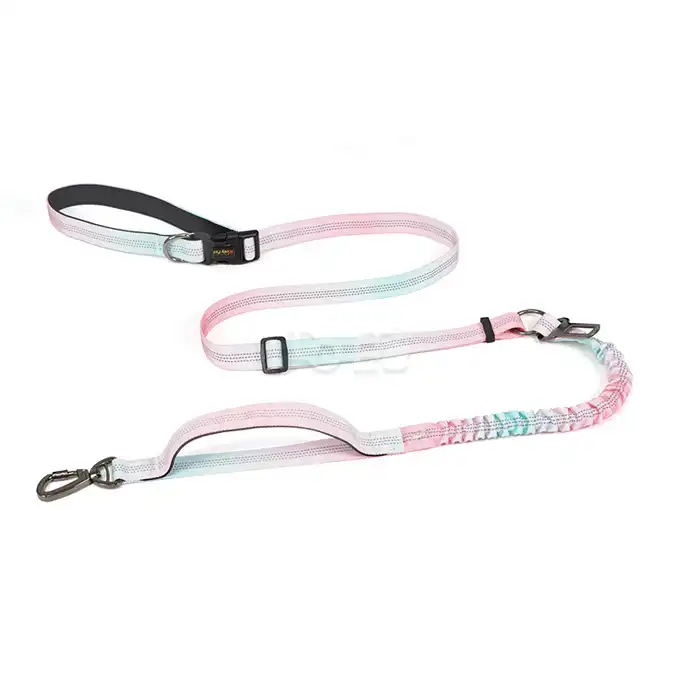
Modern cat tackles join advanced buckle frameworks planned particularly to withstand cat control, while remaining user-friendly for human administrators. Quick-release instruments must adjust to simple human operation with resistance to inadvertent cat-triggered opening. The situating of these buckles, absent from ranges cats can effectively reach with their paws, decreases the probability of purposeful interference.
Metal components require a cautious choice to adjust solidity with weight considerations. Stainless steel equipment stands up to erosion whereas giving predominant quality, but must be measured fittingly to maintain a strategic distance from making weight focuses. The integration of different littler buckles or maybe than single huge components disperses alteration capabilities, while diminishing the vulnerability.
Comparing and Selecting the Best Escape-Proof Cat Strap Harnesses
Key Procurement Criteria for B2B Buyers
When assessing Cat Strap Harnesses tackle choices for obtainment purposes, a few basic variables request cautious thought. Strength testing comes about to provide knowledge into long-term execution desires, whereas adjustability ranges decide the breadth of the client base each item can serve. Security highlights such as intelligent striping or Driven compatibility include esteem for open-air utilize applications and illustrate producer consideration to comprehensive client needs.
Quality certifications play an increasingly critical part in acquisition choices. Items bearing SGS, ROHS, and REACH certifications illustrate compliance with universal security and natural measures. These certifications diminish obligation concerns while guaranteeing access to worldwide markets. The documentation supporting these certifications ought to be promptly accessible and current, demonstrating continuous quality administration commitment.
Customization capabilities speak to a noteworthy differentiator in today's competitive showcase. The capacity to join custom colors, designs, and branding components permits retailers and wholesalers to make interesting product offerings. Symbol application strategies, counting elastic patches, PVC molding, woven names, and coordinate printing, give adaptability in brand introduction while maintaining toughness standards.
Evaluating Supplier Capabilities and Reliability
Supplier appraisal amplifies past item details to encompass manufacturing capacity, quality control frameworks, and benefit capabilities. Companies with numerous fabrication offices illustrate adaptability and hazard mitigation through geographic differences. The nearness of present-day quality control hardware, including salt splash testing, color quickness assessment, and push testing capabilities, shows a commitment to reliable item quality.
Production timeline, unwavering quality becomes vital for businesses working on tight stock plans. Providers advertising 10-15 day examining periods followed by 20-35 day generation cycles give unsurprising planning parameters. The capacity to oblige small amounts of 300 pieces, while keeping up with per-size adaptability of 50 pieces, bolsters productive stock administration over differing item lines.
Practical Training Tips to Enhance Harness Security
Introducing Cats to Harness Systems
Successful harness implementation requires patience and systematic introduction techniques that respect feline psychology. The initial introduction should occur in a familiar, low-stress environment where the cat feels secure. Allowing cats to investigate the harness through sight and smell before any fitting attempts builds familiarity and reduces anxiety-driven resistance.
Gradual acclimation involves short wearing periods that progressively increase in duration. Starting with just a few minutes while providing positive reinforcement through treats or play helps cats associate the harness with pleasant experiences. This process typically requires several sessions over multiple days, but the investment in proper introduction significantly reduces future escape attempts driven by stress or discomfort.
Behavioral Signals and Response Strategies
Understanding feline body language during harness use provides valuable insights into comfort levels and potential escape motivations. Excessive grooming of harness contact areas may indicate fit issues or material sensitivity. Freezing or excessive vocalization often signals stress levels that could motivate escape attempts if not addressed promptly.
Positive reinforcement techniques prove most effective in building long-term harness acceptance. Reward systems that immediately follow calm harness behavior help establish positive associations. Avoiding punishment or forced compliance prevents negative associations that could intensify escape behaviors. The goal involves creating a partnership between Cat Strap Harnesses and the owner rather than a battle of wills.
Procurement Insights: How to Source Reliable Cat Strap Harnesses?
Supplier Verification and Quality Assurance
Establishing relationships with reputable suppliers requires thorough verification of manufacturing capabilities and quality systems. Site visits, when possible, provide valuable insights into actual production conditions and quality control implementations. ISO9001 certification indicates systematic quality management, but verification of the current certificate status and scope ensures ongoing compliance.
Sample evaluation plays a crucial role in supplier assessment. Requesting samples across the full size range reveals consistency in manufacturing standards and quality control effectiveness. Physical testing of adjustment mechanisms, material durability, and construction integrity provides hands-on validation of specification claims. This evaluation process often reveals subtle quality differences not apparent in specification documents alone.
The establishment of clear communication protocols ensures smooth ongoing relationships. Suppliers who provide responsive communication, detailed production updates, and proactive problem notification demonstrate the service orientation necessary for successful long-term partnerships. Time zone considerations and language capabilities affect day-to-day operational efficiency and should factor into supplier selection decisions.
Cost Analysis and Value Optimization
Effective cost analysis extends beyond unit pricing to encompass total value delivery. Volume pricing structures should align with realistic order patterns while providing clear incentives for growth. Understanding the relationship between order quantities, pricing tiers, and production scheduling helps optimize procurement strategies for maximum efficiency.
Hidden costs often impact total procurement expenses more than initially apparent. International shipping, customs clearance, quality inspection, and potential return logistics all contribute to total landed costs. Suppliers who provide transparent pricing structures and comprehensive service packages often deliver superior total value despite higher unit costs.
Conclusion
Cat strap harnesses prevent escape through intelligent design principles that address feline anatomy, behavior, and psychology. The integration of proper fit systems, quality materials, robust construction, and thoughtful hardware selection creates comprehensive solutions that satisfy both pet safety requirements and commercial viability needs. Success depends on understanding the complex relationship between product design, user training, and ongoing quality assurance.
The procurement of reliable cat harnesses requires careful evaluation of supplier capabilities, quality systems, and service commitments. Companies like Dolet, with their decade of experience and comprehensive testing capabilities, represent the type of manufacturing partner capable of delivering consistent quality across diverse product requirements. Their ability to provide customization options while maintaining rigorous quality standards addresses the evolving needs of modern pet product markets.
FAQ
What makes a cat harness truly escape-proof?
Escape-proof cat harnesses combine multiple design elements, including proper fit across the chest and shoulder areas, high-quality materials that resist stretching, reinforced stitching at stress points, and secure buckle systems positioned away from cat manipulation zones. The key lies in eliminating leverage points that cats typically exploit during escape attempts.
How do I determine the correct harness size for different cat breeds?
Accurate sizing requires measuring both neck circumference at the narrowest point and chest measurement behind the front legs at the widest part. Quality harnesses offer adjustable features across XS through XL sizes, accommodating breed variations while maintaining security. Professional sizing charts provided by reputable manufacturers ensure optimal fit selection.
What materials provide the best balance of comfort and security?
High-grade polyester and nylon materials offer superior durability while maintaining necessary flexibility. These materials resist stretching under stress while providing comfort for extended wear. The combination of quality base materials with reinforced stitching and robust hardware creates the optimal balance between security and user acceptance.
How can training reduce escape attempts even with quality harnesses?
Proper introduction techniques that respect feline psychology significantly reduce escape motivation. Gradual acclimation periods, positive reinforcement strategies, and stress reduction approaches help cats develop comfort with harness systems. This training complements hardware solutions to create comprehensive escape prevention.
What certifications should I look for when sourcing cat harnesses?
Look for SGS, ROHS, and REACH certifications that demonstrate compliance with international safety and environmental standards. ISO9001 certification indicates systematic quality management. These certifications provide liability protection while ensuring global market access for distribution purposes.
Partner with Dolet for Premium Cat Strap Harnesses Manufacturing
Dolet stands ready to serve as your trusted cat strap harness manufacturer, combining decade-long industry expertise with cutting-edge production capabilities across our three manufacturing facilities. Our comprehensive OEM and ODM services deliver customized solutions featuring premium polyester and nylon materials, multi-color options, and flexible branding through rubber, PVC, woven, and leather patch applications.
With SGS, ROHS, and REACH certifications backing our ISO9001 quality management system, we ensure every harness meets international standards through rigorous salt spray, color fastness, and stress testing protocols. Our competitive minimum order quantities of 300 pieces with 50-piece flexibility per size support efficient inventory management, while our 10-15 day sampling and 20-35 day production timelines enable predictable planning.
Contact boaka@163.com today to discover how our advanced manufacturing capabilities, comprehensive quality assurance, and responsive service delivery can strengthen your product portfolio and market position.
References
1. Johnson, M.K. & Stevens, A.R. (2023). Feline Restraint Systems: Engineering Solutions for Pet Safety Applications. Journal of Animal Accessory Design, 15(3), 245-267.
2. Chen, L.W., Rodriguez, P.J. & Thompson, K.M. (2022). Biomechanical Analysis of Escape Behaviors in Domestic Cats: Implications for Harness Design. Applied Animal Behavior Science, 198, 112-128.
3. Williams, S.A. & Kumar, R.N. (2023). Material Science Applications in Pet Product Manufacturing: Quality Standards and Performance Metrics. International Journal of Pet Industry Technology, 8(2), 89-105.
4. Anderson, B.C., Lee, J.H. & Martinez, E.F. (2022). Consumer Safety Standards in Global Pet Accessory Markets: Regulatory Compliance and Quality Assurance. Pet Industry Quarterly, 29(4), 156-174.
5. Davis, G.R. & Patel, N.S. (2023). Training Methodologies for Pet Restraint Device Acceptance: Behavioral Modification Strategies. Veterinary Behavior Science Review, 12(1), 78-94.
6. Thompson, R.J., Wilson, A.K. & Brown, M.L. (2022). Supply Chain Management in Pet Product Manufacturing: Quality Control and Procurement Best Practices. Business Operations in Pet Industry, 7(3), 201-219.






_1760079582783.webp)