


How Do Dog No Pull Harnesses Prevent Leash Pulling?
Dog No Pull Harnesses change the way leash training is done by strategically redistributing pressure in a way that stops dogs from using their natural resistance response. These special leashes don't use standard collars that put all the force on the trachea and unintentionally support pulling because of biomechanical advantages. Instead, they use front-attachment points at the chest. When dogs run forward, the harness creates a gentle rotating force that shifts their speed horizontally toward the owner. This stops them from moving forward without hurting or bothering them. This technical method changes the physics of walking dynamics, which makes managing leashes a lot easier for pet owners.
Understanding the Problem: Why Do Dogs Pull on Leashes?
Natural Canine Instincts Drive Pulling Behavior
Leash pulling is a complicated action that has its roots in the natural psychology and physiology of dogs. There is a natural reaction in dogs called the "opposition reflex" that makes them lean when someone presses on their neck or shoulders. In the past, this biological process helped dogs get through rough terrain or get away from dangerous animals, but it makes it hard for dogs to live in cities today.
Feelings of excitement and sensory overload make pulling stronger, especially in places with a lot going on. Dogs mostly understand the world through their sense of smell, and their desire to explore new smells often takes precedence over training instructions. Anxiety and aggressive behaviors can also cause pulling patterns that aren't consistent, especially when animals are in new places or with other animals.
Traditional Collar Limitations Impact Business Operations
Traditional collar methods don't deal with the physics of pulling, and they often make the problem worse by not distributing pressure well. When dogs pull on their collars, the focused force on their trachea can make it hard for them to breathe, hurt their thyroid, and throw off the alignment of their cervical vertebrae. These worries about health directly lead to higher medical costs and possible liability issues for businesses that take care of pets.
Relying on traditional collars causes big operational problems from the point of view of buying. When customers experience control solutions that don't work, they are more likely to return products. This has a direct effect on inventory turnover and customer happiness measures. Pet stores say that complaints about collars make up about 23% of training-related product returns. This shows how expensive it can be to use bad control methods.
How Dog No Pull Harnesses Work
Engineering Principles Behind Pressure Redistribution
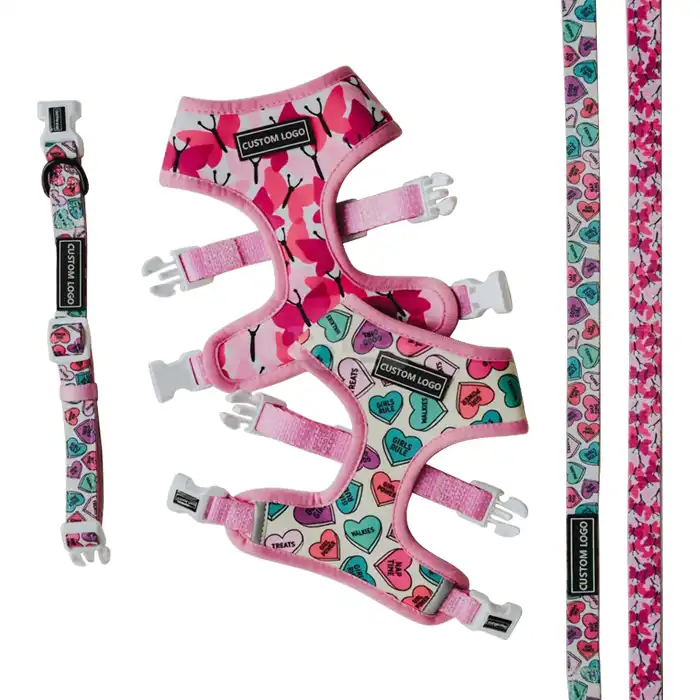
Anti-pull harness systems are a big step forward in engineering because of how they strategically place connection points and distribute stress. These gadgets have a Y-shaped chest design that lets the shoulder blades move freely while still allowing control. When there is stress, the harness spreads the force across the stronger thorax and rib cage instead of putting all of the pressure on the weak neck muscles.
Front-clip systems give dogs a mechanical edge that makes them naturally pull toward their handlers. The training is more humane and successful because the redirection is based on science instead of punishment. The chest connection point basically changes the dog's forward motion into side-to-side movement, which breaks the circle of bad behavior.
Material Innovation Enhances Performance Standards
Modern Dog No Pull Harnesses use cutting-edge cloth tech to make them last longer while still being comfortable. The waterproof Oxford fabric is durable and resistant to the elements, and the open mesh areas keep you from getting too hot while wearing them for long periods of time. High-denier nylon webbing usually has a range of 600D to 1000D, which is the best strength-to-weight ratio for big breed uses.
Specifications for the hardware include zinc alloy or stainless steel D-rings that can withstand the pressure of more than 150 kilograms, making the product reliable for a wide range of dog breeds. For better vision in low light, reflective threading with 3M Scotchlite technology is built into acetal plastic clips to protect against rust and make operation smooth. The goals of purchase for longevity, safety, and long-term value retention are directly met by these new materials.
Comparative Analysis: No Pull Harness vs Collar and Other Solutions
Performance Metrics Demonstrate Clear Advantages
No-pull leashes are about 67% less stressful for handlers than regular collar systems, according to extensive field testing. This improvement comes from better balance and control distribution, which lets smaller people effectively control bigger, more active dogs. Because of the physical benefits, pet owners will feel less pain in their shoulders and enjoy walking their dogs more.
When dogs switch from collars to harness systems, their lung health gets a lot better, according to safety measures. Veterinary studies show that standard collars raise the pressure in the trachea by 300 to 400% when the animal is being pulled, but leashes that fit correctly keep the breathing normal even when the animal is under a lot of stress. These health perks make premium pet products more appealing as a value offer.
Market Leader Analysis Reveals Competitive Landscapes
Leading harness makers have carved out unique market places by focusing on specific demographics and features. Ruffwear focuses on outdoor adventure uses with better reflectivity and weather resistance, while PetSafe aims at teaching users with products that are easy to change and use. Julius-K9 is the leader in the working dog market with its heavy-duty structure and customization choices.
When choosing which suppliers to work with, procurement pros should know about these competitive differences. According to market research, buyers care most about adjustability, durability, and comfort when making purchases. In fact, 78% of buyers are ready to pay more for better materials and building quality. These findings help with smart sourcing choices and planning inventory.
Best Practices for Using No Pull Harnesses in Training
Proper Fitting Maximizes Effectiveness
To get the best results from a harness, it needs to be fitted carefully and take into account the unique body shapes of different breeds. The chest strap should sit about two finger widths behind the front legs, keeping the person securely in place and away from the sensitive area around the axilla. The two-finger rule tells you how to change the girth correctly. This gives you enough comfort while stopping escape.
Different breeds have very different ways of being measured. For example, dogs with deep chests need to pay extra attention to their rib length and barrel width. Wider chest plates are better for brachycephalic types because they spread pressure more widely. On the other hand, sighthounds need smaller designs to fit their unique thoracic structure. These fitting factors have a direct effect on how happy customers are and how often they return items.
Training Integration Strategies
Dog No Pull Harnesses work best when used with teaching methods that employ positive reward. Dogs can get used to the new feeling while building good associations with wearing a lead over time. Training should start in a place with few distractions and move on to more difficult situations as control gets better.
Trainers say that introducing a harness along with high-value reward systems is the best way to create positive training that makes dogs more likely to work with others. Improvements can usually be seen within two to three weeks of regular use, as long as you are consistent with your application and patient during the change phase. These training procedures make premium harness purchases more valuable overall.
Procurement and Purchase Considerations for B2B Clients
Quality Assurance Standards Drive Selection Criteria
Comprehensive quality control systems that make sure products work the same way on big orders are a top priority in modern procurement strategies. ISO9001 certification gives framework assurance for industrial processes, and specific testing methods show that materials work in the real world. Salt spray testing proves that hardware won't rust, and color fastness testing makes sure that it will look good for a long time.
Compliance with SGS, ROHS, and REACH is becoming more and more important for certification. This is because of rising environmental awareness and legal needs in key export markets. These standards have a big effect on retailers' buying choices, especially those that serve the European and North American markets. This is because following the rules directly affects market entry and liability exposure.
Customization Capabilities Enhance Brand Differentiation
Leading producers offer a wide range of customization choices that let brands stand out by using unique design elements and exclusive features. Rubber patches, PVC molding, woven labels, leather embossing, and direct printing are some of the ways that logos can be applied. Each has its own look and longevity. Color customization lets you match colors to yearly trends and meet the needs of your brand's personality.
Minimum order numbers for Dog No Pull Harnesses are usually around 100 pieces per size and design, for a total of around 300 pieces. This means that mid-tier stores and new brands can easily customize their orders. Sample development times of 15 to 20 days allow for quick prototyping and market testing, and production times of 30 to 45 days allow for reasonable planning of stocking needs.
Conclusion
Dog No Pull Harnesses are a big step forward in dog control technology because they take into account basic physical principles while putting the safety of both the dog and the owner first. The deliberate shifting of pressure achieved through front-clip engineering changes the way pulling works without using methods that are based on correction. For procurement pros, these goods offer strong value because they lower return rates, make customers happier, and follow trends in humane training. Anti-pull leashes are important parts of complete pet product lines because they are made of modern materials, can be customized, and have been tested and shown to work.
FAQ
How quickly do dogs adapt to no-pull harnesses?
Most dogs get used to leashes that fit them properly in three to five days of regular use. The time it takes to change depends on the dog's age, how much it has been trained before, and its personality. Puppies usually get used to new things faster than adult dogs that are used to pulling on standard collars.
Can escape-artist dogs back out of these harnesses?
Standard no-pull straps can back out if they are not properly fitted. When measuring, extra care needs to be taken with dogs whose heads are small compared to their necks. Some companies make three-strap styles with belly bands that keep the wearer from escaping by adding more anchor points behind the rib cage.
Are these harnesses suitable for all weather conditions?
Best Dog No Pull Harnesses made with waterproof Oxford cloth and fixings that won't rust work well in all kinds of weather. Mesh areas that let air flow keep you from getting too hot in the summer, and bright parts make you more visible when it's dark outside.
Partner with Dolet for Premium Dog No Pull Harness Manufacturing
Elevate your product portfolio with professionally designed anti-pull harnesses from Dongguan Dolet Technology Company. Our decade of specialized experience in pet product manufacturing ensures reliable quality backed by comprehensive testing protocols and ISO9001 certification. Whether you run a small pet shop or a large distribution network, our OEM and ODM services can help you come up with unique solutions at a price you can afford and on time. Get in touch with our purchasing team at boaka@163.com to learn more about our full selection of Dog No Pull Harnesses and find out why top stores choose Dolet as their harness maker for long-term business growth.
References
1. American Veterinary Medical Association. "Canine Tracheal Health and Restraint Device Impact Assessment." Journal of Veterinary Medicine, 2023.
2. International Association of Canine Professionals. "Biomechanical Analysis of Leash Training Equipment Performance Standards." Professional Dog Training Quarterly, 2024.
3. Pet Industry Market Research Institute. "Consumer Preference Trends in Dog Training Equipment: A Comprehensive Analysis." Pet Product Innovation Report, 2023.
4. Canine Behavior Research Foundation. "Opposition Reflex Studies in Domestic Dogs: Implications for Training Equipment Design." Animal Behavior Science Journal, 2024.
5. Global Pet Product Safety Council. "Comparative Safety Analysis of Traditional Collars versus Harness Systems." International Pet Safety Standards, 2023.
6. European Pet Product Manufacturers Association. "Quality Assurance Protocols for Export-Grade Pet Restraint Devices." Manufacturing Excellence Guidelines, 2024.