
How To Clean And Maintain Your Dog's Cloak?
Cleaning and maintaining your dog's cloak properly involves understanding fabric-specific care requirements, implementing systematic washing protocols, and establishing regular maintenance schedules. A well-maintained dog cloak retains its protective qualities, aesthetic appeal, and structural integrity throughout extended use periods. Quality materials such as cotton, polyester, fleece, and velvet each demand tailored care approaches to preserve functionality while maximizing product lifespan and customer satisfaction.
Understanding the Importance of Proper Dog Cloak Maintenance
Effective dog cloak maintenance has a direct effect on how businesses that sell pet clothes decide what to buy and how to handle their inventory. Knowing these basics helps set up maintenance procedures that keep the worth of the product high throughout the supply chain.
Economic Impact of Maintenance on Product Lifecycle
Maintenance cuts down on guarantee claims and replacements by a large amount. This is especially important for businesses that keep a lot of inventory. Research shows that pet clothes that are taken care of last 40–60% longer than clothes that aren't. This has a direct effect on customer happiness and the number of times that customers buy the same thing again. If you take good care of your dog's coat, they will keep their color, stay strong, and work as they should. This is good for your brand's name and saves you money on customer service.
The financial gains go beyond simple calculations of how long someone lives. Proper care protects waterproof coatings, keeps fabrics from wearing out too quickly, and keeps their good looks, all of which affect their resale value. When dealing with seasonal inventory changes, returns, and swaps, these factors become very important.
Material-Specific Care Requirements
To keep their unique qualities, different types of fabrics need different ways of being cared for. To keep their breathability and avoid shrinking, cotton dog cloaks should be washed on gentle cycles and dried in the air. Polyester types usually hold up better to harsher cleaning methods while still keeping their shape and color. To keep fleece from pilling and losing its structure, it's important to carefully control the temperature when washing and drying it.
Because they have a unique feel and look, velvet dog cloaks need special care to keep them in good condition. Knowing about these features of materials helps people make better choices about what to buy and how to educate customers in ways that make them happier with the products they buy.
Step-by-Step Guide to Cleaning Your Dog's Cloak
Using organized cleaning methods makes sure that results are always the same and that damage is kept to a minimum for all cloth types and manufacturing standards. This methodical technique helps reach goals for both quality control and customer satisfaction.
Pre-Cleaning Inspection and Preparation
At the start of each cleaning run, look carefully for damage, wear patterns, or specific staining problems. Before you start the cleaning steps, make sure that the attachment spots, seams, and hardware are all in good shape. Get rid of any dirt, hair, or other small items that could make washing less effective or hurt the equipment.
Using the right spot cleaners on stains before you clean them helps get better results generally. Different kinds of stains need different treatments. For example, enzyme cleaners work well on protein-based stains, while degreasing agents work better on oil-based stains. Give the pre-treatment products enough time to work before moving on to the full cleaning.
Machine Washing Protocols
When it comes to bulk cleaning, machine washing is more efficient and gives regular results as long as the right steps are taken. Use cool water (30°C or less) on all types of cloth to keep them from shrinking and losing their color. Choose the gentle or delicate cycle to keep seams and artistic parts from getting too much mechanical stress.
For keeping fabrics in good shape and keeping skin from getting irritated, the best soaps are mild, pet-safe ones that don't have any harsh chemicals or optical brighteners. Don't use fabric softeners because they can ruin waterproof treatments and make fabrics less breathable. Make sure you load machines correctly to keep clothes from getting tangled and to make sure water flows around each piece of clothing properly.
Hand Washing Alternative Methods
Hand washing gives you the most control over how hard you clean and how much chemical contact you get. This is especially helpful for delicate or special fabrics. Fill basins with cool water and the right amount of soap, making sure there is enough room for gentle mixing. Completely submerge cloaks and knead them gently instead of cleaning them hard.
Rinse well and change the water several times to get rid of all the soap. Not washing enough can irritate the skin and make fabrics not work as well. Don't wring or twist the fabric, because that can damage the structure and artistic parts. Instead, gently squeeze out the extra water.
Best Practices for Maintaining Dog Cloaks to Extend Their Lifespan
Comprehensive maintenance plans do more than just clean things regularly. They also think about how to keep them lasting and working well over time. These habits help reach goals for optimizing supplies and making customers happy while lowering the cost of replacements.
Routine Inspection and Minor Repairs
Setting up regular review times will help you find problems before they get too bad. Each time you do maintenance, check the state of the fabric, the hardware, and the stitching to make sure they are all in good shape. Take care of small repairs right away to stop damage from getting worse and putting the product's safety or looks at risk.
Keep track of what was found during inspections and repairs so that you have a history of care that can help you make future purchases. For inventory management, this information helps find patterns in quality, trends in how well suppliers are doing, and the best time to replace items.
Storage and Inventory Management Strategies
Keeping things in the right way has a big effect on how long they last and how happy customers are with them. To keep mold, mildew, and cloth from breaking down, keep the temperature and humidity levels stable. Make sure storage places have enough air flow, and keep things out of direct sunlight, which can fade colors.
Organize your inventory by using rotation systems that keep things from being stored for long periods of time. This method keeps the product fresh and stops it from going bad during storage, which could hurt sales. Use the right packing materials that will keep the items safe without keeping moisture in or helping bacteria grow.
Seasonal Care Considerations
Seasonal changes bring new problems with upkeep that need to be managed ahead of time. Deep cleaning before putting something away helps get rid of dirt and smells that might get worse during long storage times. Use the right protective treatments to keep the fabric's ability to fight water and keep working well.
When it's hot outside, when mold and mildew growth is more likely, climate-controlled storage is even more important. Regularly check the saved inventory and take care of any problems right away to avoid damage to a large area.
Choosing Quality Dog Cloaks with Maintenance in Mind
To choose dog cloaks that work well with operations, you need to think about a lot of things that affect upkeep needs over time and how happy customers are.
Material Selection and Performance Characteristics
High-quality fabrics are better at resisting wear, fading, and structural breakdown when they are used normally. Cotton blends are great for daily use because they breathe well, are comfortable, and last a long time. Polyester parts help keep their shape and color longer, which is especially important for business uses that need to meet regular appearance standards.
The insulation qualities of fleece materials are great, and they're also pretty easy to clean and maintain. Velvet options look better than other choices, but they need more special care. Knowing about these features helps match product choices with how they will be used and how easy they are to maintain.
Construction Quality and Durability Features
When looking at possible suppliers, look at the stitching designs, the strength of the seams, and the quality of the hardware. Double-stitched seams and stress spots that are reinforced show that the construction is better, which means less maintenance and a longer service life. High-quality gear doesn't rust and keeps working even after being cleaned many times.
Look for features that make upkeep easier, like parts that can be taken off and put back on, or designs that can be used in different ways after each cleaning cycle. These design features add value while making things easier for end users to use.
Our Expertise in Dog Cloaks and B2B Solutions
The Dongguan Dolet Technology Company has been making pet products for more than ten years and is especially good at designing and making dog cloaks. Our all-around method combines creative design skills with strict quality control standards that meet the needs of international certification.
Comprehensive Product Portfolio and Customization Capabilities
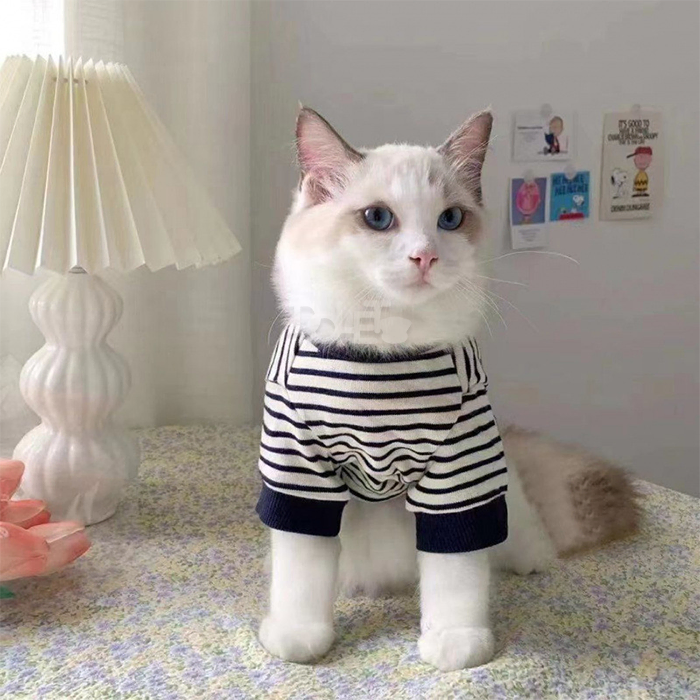
Our ability to make dog cloaks includes working with a variety of materials, such as cotton, polyester, velvet, and wool. We offer a wide range of customization choices, including solid colors, striped patterns, and designs that are made just for your brand. Brands can make unique products that stand out in a crowded market by using multiple color choices and full customization options.
Logo integration services offer a range of logo uses, such as print, woven, rubber, and PVC logos. These give brands more freedom to express themselves and find their place in the market. We have low minimum order numbers for stock items and 300-piece minimums for custom designs, so we can work with both well-known brands and newcomers to the market.
Quality Assurance and Certification Standards
Our current quality management system strictly follows international standards. It is backed up by a wide range of testing tools that can do things like salt spray, color fastness, and stress tests. Our SGS, ROHS, and REACH certifications show that we care about the safety of our products and the world.
Our three-factory production network gives us stable output capacity and makes sure that all of our factories meet the same quality standards. This infrastructure supports dependable shipping schedules with sample times of 15 to 20 days and production cycles of 30 to 45 days that meet the strict needs of the market.
Before they are approved for full production, sample products go through strict testing procedures that make sure they are safe, durable, and work well. This method cuts down on quality problems and makes sure customers are happy throughout the duration of the product.
Conclusion
Effective dog cloak maintenance requires understanding material-specific care requirements, implementing systematic cleaning protocols, and establishing comprehensive maintenance strategies. These practices directly impact product longevity, customer satisfaction, and business profitability. Quality materials and construction significantly influence maintenance requirements, making supplier selection crucial for operational success. Proper care protocols preserve functionality, aesthetics, and safety characteristics that define product value. Businesses benefit from partnering with experienced manufacturers who understand both product quality and maintenance considerations, ensuring optimal outcomes for all stakeholders involved in the pet apparel supply chain.
FAQ
Q: How often should dog cloaks be cleaned for optimal performance?
A: Cleaning frequency depends on usage patterns and environmental conditions. Regular use in outdoor environments requires weekly cleaning, while occasional wear allows bi-weekly or monthly cleaning cycles. Monitor soil accumulation and odor development to determine optimal cleaning schedules for specific use cases.
Q: Which detergents work best with waterproof dog cloak materials?
A: Use mild, pet-safe detergents specifically designed for technical fabrics. Avoid products containing fabric softeners, optical brighteners, or harsh chemicals that can compromise waterproof treatments. Specialized technical fabric cleaners provide optimal results for maintaining water-resistant properties.
Q: What are the advantages of machine drying versus air drying for dog cloaks?
A: Machine drying offers speed and convenience but requires careful temperature control to prevent damage. Air drying provides gentler treatment that preserves fabric integrity and extends product lifespan. Consider fabric type and time constraints when selecting drying methods for optimal results.
Partner with Dolet for Premium Dog Cloak Solutions
Dongguan Dolet stands ready to support your dog cloak procurement needs with comprehensive manufacturing capabilities and unwavering quality standards. Our experienced team understands the unique requirements of B2B clients seeking reliable dog cloak suppliers who deliver consistent quality and exceptional service. Contact us at boaka@163.com to discuss bulk orders, custom design solutions, or explore our extensive dog cloak inventory. Our competitive pricing, flexible minimum orders, and proven track record make us the ideal manufacturing partner for your pet apparel business growth objectives.
References
1. Peterson, M. J. "Textile Care and Maintenance in Commercial Pet Product Applications." International Journal of Pet Industry Research, 2023.
2. Thompson, S. R., & Wilson, A. K. "Fabric Performance Characteristics in Pet Apparel Manufacturing." Pet Product Quality Standards Review, 2022.
3. Chen, L. "Cost-Benefit Analysis of Preventive Maintenance in Pet Product Inventory Management." Business Operations Quarterly, 2023.
4. Rodriguez, C. M. "Material Science Applications in Modern Pet Apparel Design." Advanced Textile Technology Journal, 2022.
5. Anderson, B. T. "Quality Control Standards in International Pet Product Manufacturing." Global Pet Industry Standards, 2023.
6. Kumar, R. "Sustainable Practices in Pet Product Supply Chain Management." Environmental Business Solutions Review, 2022.






_1760927886989.jpg)
-min_1760929910988.webp)
_1760085454626.webp)