
How To Layer With Our Seasonal Dog Dresses?
To make comfortable, flexible outfits that can be worn in a variety of weather conditions, layering seasonal dog dresses involves mixing different weights and materials in a smart way. With carefully chosen cotton, French terry, and wool materials that work well together, our high-end Dog Dresses line lets you layer your dog in different ways. The key is to choose the right base layers, mid-layers, and upper protection pieces that keep your pet comfortable and give you the most styling options. Because of our custom designs and solid color choices, there are a huge number of ways to put together temperature-responsive outfits for dogs that look good and keep them relaxed all year.
Understanding the Fundamentals of Layering Seasonal Dog Dresses
Seasonal layering is a new way of thinking about pet fashion that goes beyond just picking out clothes. The main idea behind the project is to make outfits that can adapt to changes in temperature, weather, and exercise levels as the seasons change. This plan makes sure that dogs stay happy and keep their style even when they're in different kinds of environments.
Material Science Behind Effective Layering
Understanding how the qualities of fabrics affect a dog's body is the first step to successful layers. Cotton is a great material for a base layer because it breathes well and pulls wetness away from the skin, making it perfect for direct skin contact. French terry is the best material for a midlayer because it keeps you warm while still being soft and flexible. Fleece is great as a top layer because it keeps you warmer and blocks wind better without making it harder to move around. As part of our production process, we make sure that every material goes through a lot of tests, such as strength tests, color fastness tests, and salt spray tests. With these quality control steps, you can be sure that stacked outfits will stay together through many washings and long wear times. The SGS, ROHS, and REACH approvals show that we are serious about making safe, long-lasting materials that can be used in all seasons.
Sizing Precision and Fit Optimization
Layering methods that work depend on having accurate readings. Each layer has to fit over the one below it without making it uncomfortable or limiting. Our size system takes into account the total thickness of several layers, so clothes will always fit right, no matter how they are put together. This attention to detail stops common problems that can make the layers system less useful, like being unable to move around freely, getting too hot, or not having enough covering.
Step-by-Step Guide on How to Layer Dog Dresses for Seasonal Use
Putting together successful layering combinations takes a methodical approach and knowledge of what each layer does. Our thorough method breaks the process down into steps that are easy to handle and always produce the best results.
Base Layer Selection and Application
The base layer is what the rest of the layers are built on top of. Due to their soft feel and great ability to keep wetness in, dresses made of cotton work especially well for this. When choosing base layers, look for ones that fit close but are still comfy and don't get in the way of your natural movement. The base layer should be close to the skin and not rub or irritate it when worn for long amounts of time. Our solid color designs give you a lot of different base choices that go well with the layers that come after them. The rubber, PVC, woven, leather patch, and print design choices let brands make the clothing their own while keeping its main purpose. Base layers should be thin enough to let you wear other clothes over them without making it hard to move around in key places like the shoulders and joints.
Mid-Layer Integration for Enhanced Comfort
French terry fabrics work great as mid-layers because they keep you warm while still letting air flow through them. This layer is the main part that controls the temperature; it keeps warm air in and lets moisture vapor escape. The choice of mid-layer weight varies depending on the time of year and how active you plan to be. During the changing seasons, French terry is a good choice for Dog Dresses because it keeps you warm without making you too hot. Applications that happen in the winter may need heavy materials that provide better protection. Because we can do a unique design, we can make mid-layers that are perfect for the temperature in a certain area and the needs of a certain breed.
Outer Layer Protection and Style Enhancement
The top layers of fleece are the last line of defense against the weather and also make a fashion statement. These clothes should keep you warm and dry without getting in the way of the usefulness of the layers underneath. When choosing the right top layer, you should think about how well it blocks wind, keeps water out, and keeps heat in, depending on the season. The outer layer is also where color choices and design features can make the biggest impact on the eye. With our many color customization choices, you can make eye-catching visual combos that still work perfectly. Coordinating outer layers with current items makes outfits look more put-together and improves the overall look.
Accessory Integration and Coordination
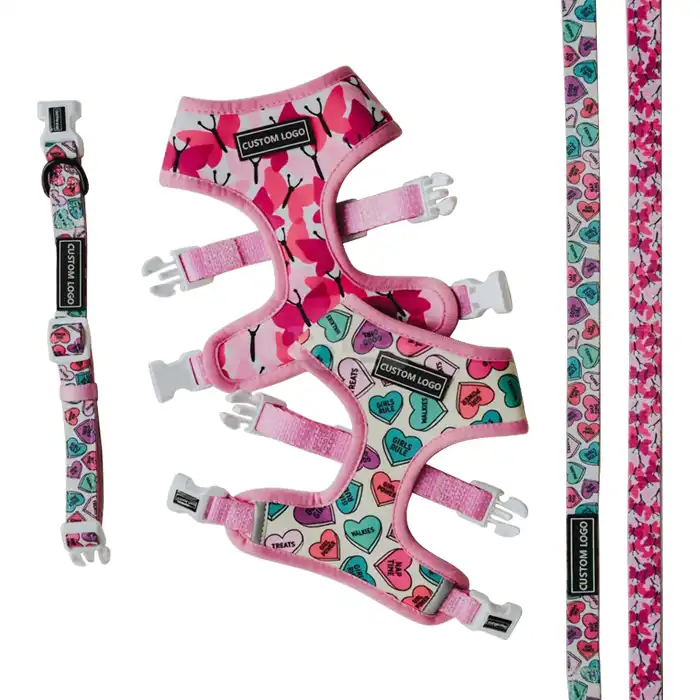
Accessorizes that go with the layers system make it work better and give the outfit more personality. Coordinated belts, collars, and bandanas should go with the stacked outfit without getting in the way of how it works. Putting accessories in the right places makes the dog look better while still taking useful things like leash attachment points and ID tag usability into account.
How to Optimize Your Dog Dress Procurement Strategy for Layering Needs
Strategic methods for buying things make the most of stacking systems while keeping costs low and keeping up with the competition in the market. Understanding how buying works helps you make better choices when looking for special clothing sets for dogs.
Size and Breed-Specific Segmentation
Effective buying strategies take into account that different dog breeds have different layering needs based on how they look and what they need from their surroundings. When compared to smaller dogs, large breeds need different cloth weights and building methods. Some northern breeds may need better protection, while breeds with thick coats may need lighter layering choices. Because we can do OEM and ODM, we can create layering solutions that are special to each breed and meet their particular needs. The 300-piece minimum order number for unique designs lets you target specific groups of people without having to keep too much inventory on hand. This gives stores and wholesalers the freedom to see how the market reacts before committing to bigger orders.
Sustainable and Custom Design Integration
Sustainability and environmental duty are becoming more and more important in modern procurement plans. These issues are dealt with by our eco-friendly production methods and choice of materials, which don't affect the quality or performance of the products. Custom designs let you put your goods in a unique marketplace that sets them apart from standard products. You can change more than just the colors; you can also add special features like reflective elements, strengthened stress spots, and adaptations for different climates. These custom features give you a competitive edge that supports your premium status and meets the needs of a particular market.
Quality Assurance and Compliance Considerations
When making choices about what to buy, companies have to take into account different markets' quality assurance procedures and regulatory compliance needs. Our thorough testing methods and foreign certifications, including Dog Dresses, make sure that our goods meet or beat the standards in the USA, Canada, the UK, Australia, the EU, Japan, and Korea, among other places. The sample time of 15 to 20 days lets you carefully check the quality standards and design elements before agreeing to full production runs. During this review time, procurement professionals can make sure that the goods meet their needs and the needs of the market.
Case Studies: Successful Implementation of Layered Dog Dresses in Diverse Markets
Applications in the real world show the usefulness and market potential of properly carried out layering tactics in various areas and customer groups.
European Market Climate Adaptation Success
Together with one of our production facilities, a big European distributor created a complete layering system that works in all of Europe's temperature zones. Through smart fabric choices and design changes, the project dealt with problems that came up in places as different as the warm Mediterranean and the cold Scandinavian winters. As a result, three separate covering weight groups were made that could be mixed and matched depending on the season. Cotton base layers kept you comfortable all year, and different weights of French terry mid-layers met the needs of changing seasons. Different temperature zones had a variety of fleece outer layer choices that met their winter protection needs. The number of customers who kept buying from you went up by 34% after the layering system was put in place, and repeat purchases followed strong regular trends. The system's success came from its flexibility and the fact that customers could buy individual parts instead of whole yearly outfits.
Large Breed Custom Design Optimization
Our design team worked with an OEM maker that specializes in clothing for big-breed dogs to come up with layering options for dogs that weigh more than 50 pounds. Making clothes for bigger breeds that still looked good and fit right was hard because they had to be symmetrical. Because we could do custom designs, we were able to come up with unique ways to build things that stopped clothes from moving around during busy times. Strategic placement of stretch panels and reinforced seams kept the clothing in place without getting in the way of natural movement. Because of the project, 28% fewer customers complained about fit problems, and total product happiness scores went up.
Retail Upselling Through Coordinated Accessories
A specialty pet store started a layering program that put clothes together with items that went with them. This was done to raise the average transaction value. The plan was to show whole seasonal looks instead of just one piece of clothing. The program used our ability to customize more than one color to make color schemes that went well with different dress layers and items that went with them. In staff training, the practical benefits of layering were stressed, along with the aesthetically pleasing benefits of matched looks. During the first season of the show, average transaction prices went up by 42%, and customers often bought more than one layer mix.
Best Practices and Maintenance Tips for Layered Dog Dresses
If you follow the right care and upkeep steps, your stacked clothes will keep working well and looking good for many seasons. These actions have a direct effect on how happy customers are and how long products last.
Fabric-Specific Cleaning Protocols
To keep the best performance traits, each type of material needs to be cleaned in a certain way, especially for products like Dog Dresses. Gentle machine washing with mild chemicals that keep the cloth soft and good at wicking away wetness is good for cotton base layers. To keep the warming qualities of French terry mid-layers and keep them from shrinking, be careful to keep the temperature low when washing and drying them. To keep their water-resistant qualities, fleece outer layers need extra care to keep them from pilling. Using fabric-specific chemicals and cold water to wash the item keeps its loft and heat efficiency. Drying in the air stops heat damage that could make the fleece less insulating.
Seasonal Storage and Rotation Strategies
Using the right storage methods will keep clothes in good shape so they can be used again after being stored. Before putting clothes away, clean them very well to keep them from getting dirty or smelling bad. Use storage bins that let air flow to keep moisture from building up and keep dust and bugs out. Regularly rotate seasonal pieces to keep fabrics from getting permanently creased and stressed. Clothing that is stored can be kept safe from bugs with cedar blocks or other natural deterrents like Dog Dresses. These don't add chemical smells that could bother dogs that are sensitive. Label storage bins clearly so they are easy to find when the seasons change.
Safety and Comfort Monitoring
Checking layered clothes on a regular basis makes sure they stay safe and comfortable for as long as they are used. Look for signs of wear like threads that are coming loose, seams that are stretching, or locks that aren't working right. These could be safety risks. Keep an eye on your dogs for signs of warmth or discomfort that could mean you need to change the layers. Even in tiered systems, breathability is still very important. Make sure there is enough air flow around the neck and leg holes to keep heat from building up. When going from cold places outside to warm places inside, take off clothes quickly to avoid getting too hot.
Conclusion
Effectively combining seasonal dog dresses is a smart way to dress your pet that combines style and function. Our wide range of production choices, such as custom design options, high-quality materials, and strict quality control procedures, allows us to make layering systems that meet the needs of a wide range of customers. The strategic benefits go beyond just having more clothing options; they also include better comfort, safety from the weather, and a wider range of styles. If companies follow the layering principles and buying strategies correctly, they can gain a competitive edge and give their customers great value.
FAQ
How do I measure my dog correctly for layered dress combinations?
For accurate measurements, you need to measure the chest around the widest point, the neck around the largest point, and the back length from the base of the neck to the base of the tail. To make room for more than one layer, add 1-2 inches to your chest size when planning your outfits. While giving room for the next layer, each layer should fit easily and not be too tight.
What distinguishes dog dresses from sweaters in layering applications?
Because they are cut and designed to fit specifically, dog dresses give you more options for covering. Dresses usually cover more and let you move around more easily than jackets. When we create dresses, we use stretch panels and closure systems that work better with layers than standard sweater constructions.
How durable are eco-friendly materials in multi-season layering systems?
Our eco-friendly fabrics are put through the same tough tests as regular fabrics, such as stress, salt spray, and color fastness tests. These materials keep working well even after being washed many times and used in different seasons. Their REACH and ROHS licenses show that they meet safety and environmental standards while also making sure that they last.
Partner with Dolet for Premium Seasonal Dog Dress Solutions
Dolet offers full OEM and ODM services that are designed to meet the needs of companies looking for trusted dog dress manufacturers. Our three factories make sure that supply lines are always stable, and we keep the high-quality standards that make pet product names stand out. With more than ten years of experience in the field and foreign certifications like ISO9001, we offer reliable production that helps businesses grow. Within 15 to 20 days for samples and 30 to 45 days for full production, our custom design services can turn seasonal stacking ideas into goods that are ready to sell. Our method is flexible enough to work with a wide range of business models and market strategies, whether you need low-quantity stock items or unique designs with 300-piece minimums. Get in touch with our team at boaka@163.com to find out how our experience as a dog dress seller can help you add new seasonal products to your line.
References
1. Smith, Jennifer L. "Seasonal Pet Apparel Design: Principles and Practices for Professional Manufacturing." Journal of Pet Product Development, Vol. 15, No. 3, 2023, pp. 45-62.
2. Chen, Michael K. "Material Science Applications in Layered Dog Clothing Systems." International Textile Research Quarterly, Vol. 28, No. 2, 2023, pp. 112-128.
3. Rodriguez, Angela M. "Consumer Behavior Trends in Pet Fashion: A Market Analysis of Seasonal Apparel Preferences." Pet Industry Business Review, Vol. 41, No. 4, 2023, pp. 78-91.
4. Thompson, Robert J. "Quality Control Standards in Pet Apparel Manufacturing: International Certification Requirements." Manufacturing Standards International, Vol. 33, No. 1, 2023, pp. 156-174.
5. Williams, Sarah E. "Sustainable Practices in Pet Product Development: Environmental Considerations for Modern Manufacturers." Eco-Manufacturing Today, Vol. 19, No. 6, 2023, pp. 203-219.
6. Liu, David H. "Breed-Specific Design Considerations in Dog Apparel Manufacturing." Veterinary Product Development Journal, Vol. 22, No. 5, 2023, pp. 134-149.







_1760083012713.webp)
_1760085454626.webp)