
How To Properly Dispose Of Biodegradable Dog Poop Bags?
Properly disposing of Biodegradable Dog Poop Bags requires understanding that these eco-friendly alternatives don't simply disappear when discarded. Despite their sustainable composition of materials like PLA, PBAT, and corn starch, these bags need specific disposal conditions to break down effectively. The key lies in following local waste management guidelines, utilizing industrial composting facilities when available, and avoiding common mistakes like mixing them with regular recyclables or assuming they decompose in all environments equally.
Understanding Biodegradable Dog Poop Bags and Their Environmental Role
There has been a big shift in the pet care industry toward environmentally friendly options. Businesses that care about the environment now have to use eco-friendly trash bags. These new goods are a big step forward in cutting down on plastic waste while still meeting the needs of pet owners for practicality.
Material Composition and Environmental Benefits
Biodegradable trash bags made today use new mixtures of materials that make them different from old plastic bags. The best formulations use PLA (Polylactic Acid), PBAT (Polybutylene Adipate Terephthalate), and corn starch together to make long-lasting products that are safe for the earth. With this mix of materials, the bags can break down naturally in the right conditions, usually in 90 to 180 days in commercial composting facilities.
Switching to these environmentally friendly options, such as Biodegradable Dog Poop Bags, has effects on the world that go beyond just cutting down on waste. Plastic bags made of traditional materials can stay in dumps for hundreds of years, polluting the environment with microplastics and making it worse. On the other hand, biodegradable choices like Biodegradable Dog Poop Bags, when made correctly, break down into water, carbon dioxide, and biomass, leaving no harmful residues behind.
Distinguishing Biodegradable from Compostable Products
It is important for procurement professionals to know the difference between biodegradable and compostable goods so they can make smart buying decisions. Biodegradable materials break down naturally through biological processes, and compostable materials have to meet certain standards for breaking down in controlled circumstances. Both types are better for the earth than regular plastics, but they have very different disposal requirements.
Products that have quality certificates like SGS, ROHS, and REACH are sure to meet international safety and environmental standards. When companies want to make sure they are buying things that are sustainable and also follow the rules in their area, these licenses become very important.
Challenges in Disposal and Why Proper Methods Matter
Even though biodegradable pet waste bags are better for the environment, they create unique disposal problems that companies need to solve to get the most out of them. How well these goods work depends a lot on how they are handled and thrown away in a way that works with your area's waste management system.
Common Misconceptions About Biodegradable Materials
A lot of businesses think that recyclable materials break down right away when they are thrown away, which leads to bad ways of dealing with waste. In reality, things are more complicated because these goods need certain environmental conditions to break down properly, such as the right temperature, amount of moisture, and activity of microbes. Biodegradation can't always happen in landfills because they don't have enough oxygen or the right circumstances.
The amount of waste in the bags also changes how quickly they break down. In composting environments, organic waste can speed up the breakdown process. However, it may cause problems in other disposal settings. Knowing about these things helps companies come up with good waste management plans that help the environment the most.
Infrastructure Limitations and Regional Variations
Different areas have very different waste management systems, which affects how recyclable items, including Biodegradable Dog Poop Bags, can be thrown away. Some cities and towns have facilities specifically for collecting organic garbage and composting industrial waste, while others don't have these services. Businesses must change how they get rid of waste, such as Biodegradable Dog Poop Bags, based on what is allowed and regulated in their area.
Controlled temperature and moisture levels in industrial composting sites make them perfect places for biodegradable bags to break down because they break down more quickly. Biodegradable materials can be broken down in these places in 90 days, whereas it takes years or decades in a regular dump.
Step-by-Step Guide: How to Properly Dispose of Biodegradable Dog Poop Bags
To properly dispose of trash, you need to take a planned method that takes into account local rules, available infrastructure, and the impact on the environment. The following framework gives businesses useful information for setting up realistic rules for managing waste.
Assessing Local Waste Management Options
The first step in getting rid of something is to see what waste management services are offered in your area. Get in touch with your local garbage management authority to find out what kinds of materials are accepted and how to collect organic waste. A lot of cities and towns have created special programs for recyclable materials that need to be handled in a certain way.
Find industrial composting sites in your area that will take pet waste and biodegradable packaging. These places keep the conditions just right for things to break down quickly, and they often give businesses that keep track of their environmental effects certificates of proper disposal. Building agreements with certified sites guarantees consistent and responsible waste management.
Industrial Composting Procedures
When industrial composting services are available, they are the best way to get rid of biodegradable pet trash bags. To speed up the decomposition process, these centers use controlled environments with precise temperature and moisture control. The process usually starts with sorting, then grinding, and controlled decomposition, which turns organic garbage into useful compost.
Businesses should work with facility managers to find out what the acceptance standards are and how to make deliveries. For proper handling, some facilities need biodegradable materials to be packed or labeled in a certain way. Setting clear procedures stops contamination and makes sure that processing goes smoothly.
Municipal Organic Waste Systems
Many cities have added biodegradable pet products to their plans for picking up organic waste. Separating organic waste from other trash, these systems pick it up and take it to the right processing centers. To participate, you need to know when to bring in materials, what kinds of materials are okay, and how to get ready.
Training staff on the right way to sort things makes sure they follow city rules. Using clear labels and following the same steps every time keeps waste from getting contaminated, which could affect whole loads of trash. Talking to waste disposal companies on a regular basis helps keep the program working well.
Alternative Disposal Methods
When businesses can't get specialized composting services, they may have to use regular trash disposal while still being careful not to harm the earth. Choose waste management companies that use modern processing methods and put a high priority on keeping trash out of landfills. Even though these ways aren't perfect, they are better than the usual way of getting rid of plastic.
For small-scale operations, some businesses set up on-site recycling systems. However, these need to be carefully managed to make sure they break down properly and follow health rules. Professional advice can help you figure out what steps to take and whether they are even possible.
Selecting and Procuring the Right Biodegradable Dog Poop Bags for Your Business
Purchasing choices have a big effect on both how well operations run and how the world is affected. By knowing about important product features and suppliers' abilities, companies can make choices that help them reach their sustainability goals and meet real needs.
Essential Product Specifications for B2B Procurement
When choosing biodegradable options like Biodegradable Dog Poop Bags, product durability is still very important. For example, these bags must be able to handle being handled and stored while still staying together during use. Standard sizes of 23 x 33 cm are big enough for most uses, and there are different ways to package Biodegradable Dog Poop Bags, with 8 to 36 rolls per box to fit different business sizes and storing needs.
The makeup of a material affects both how it works and how it can be thrown away. Products that use PLA, PBAT, and corn starch together are the strongest and most biodegradable. These formulas don't tear or leak, and they break down properly when the right conditions are met. Certification requirements, such as meeting SGS, ROHS, and REACH standards, ensure quality and comply with regulations.
Businesses can strengthen their brand personality and meet their sustainability goals by offering customization options. Custom colors, logo printing, and packaging design help goods stand out in markets where there are a lot of them. Minimum order quantities for stock and custom goods are very different. For example, 10,000 rolls are usually needed for custom orders in order to be cost-effective.
Supplier Evaluation Criteria
To find reliable suppliers, you need to look at their production capacity, quality control methods, and customer service skills. Established makers with well-developed research and development teams and a wide range of testing tools offer a higher level of quality assurance and on-time delivery. For planning production, look for suppliers who offer sample times of 15 to 20 days and shipping times of 30 to 45 days.
Businesses that serve more than one market need to be able to get export licenses and follow foreign rules. Suppliers who have been exporting for a while know what the needs of the area are and can provide the paperwork needed for a smooth customs clearance. This knowledge comes in very handy when moving into new markets in other areas.
Multiple manufacturing sites, large inventory levels, and ISO9001 certification are all signs of financial stability and production capacity. Based on these factors, it looks like suppliers can reliably handle big orders and keep quality standards high throughout the production process.
Integrating Biodegradable Dog Poop Bags into Your Business Sustainability Strategy
For sustainability projects to be successful, eco-friendly goods need to be carefully integrated into the overall environmental strategies of businesses. This method makes sure that the effect is maximum while still meeting business goals and meeting customer expectations.
Aligning Product Selection with Corporate Environmental Goals
Clear metrics and measurable goals that show success toward environmental goals are helpful for sustainability strategies. Using recyclable bags instead of regular plastic bags can cut down on plastic waste by a lot while keeping operations running smoothly. Keeping track of how much is used and how it is thrown away gives useful information for environmental reporting and efforts to keep getting better.
Programs for corporate social responsibility gain respect when they do real things, like using sustainable products. Businesses can show that they care about the environment in marketing materials and reports to stakeholders. This openness helps customers trust the brand and makes it stand out in markets with lots of other brands.
Staff Training and Customer Education
For execution to work well, staff must be taught the right way to handle and get rid of products through thorough training programs. To make sure that all places follow the same rules, training should cover the characteristics of the product, how to store it, and how to get rid of it. Regular refresher sessions help people stay in compliance and answer any questions or address any worries.
By teaching end users how to properly dispose of waste, customer education programs promote sustainable benefits beyond the direct operations of the business. Customers can learn about the environmental benefits of biodegradable goods and how to handle them properly with the help of educational materials, signs, and staff. This method makes the environmental benefits of choosing sustainable products even bigger.
Opportunities to work together with environmental groups and sustainability experts can make the program more effective. These connections give sustainable projects access to knowledge, tools, and trustworthiness that make them stronger. Together, people can often come up with new ideas and get more involved in their communities.
Dolet: Your Trusted Partner for Sustainable Pet Care Solutions
Dongguan Dolet Technology Company has been making environmentally friendly pet products for ten years and is known for its innovation and quality. Since we started in 2014, we've grown from a small business to a large manufacturing company with three specialized facilities. We do this to meet the growing demand for eco-friendly pet care products around the world.
Comprehensive Product Portfolio and Manufacturing Capabilities
We are very good at making a wide range of pet care items, and we are especially good at making biodegradable waste management solutions. Our production lines make high-quality bags using new mixtures of materials, such as PLA, PBAT, and corn starch, that are safe for the environment and meet international standards. Our salt spray, color fastness, and stress test equipment are used to make sure that every product meets our high standards for quality.
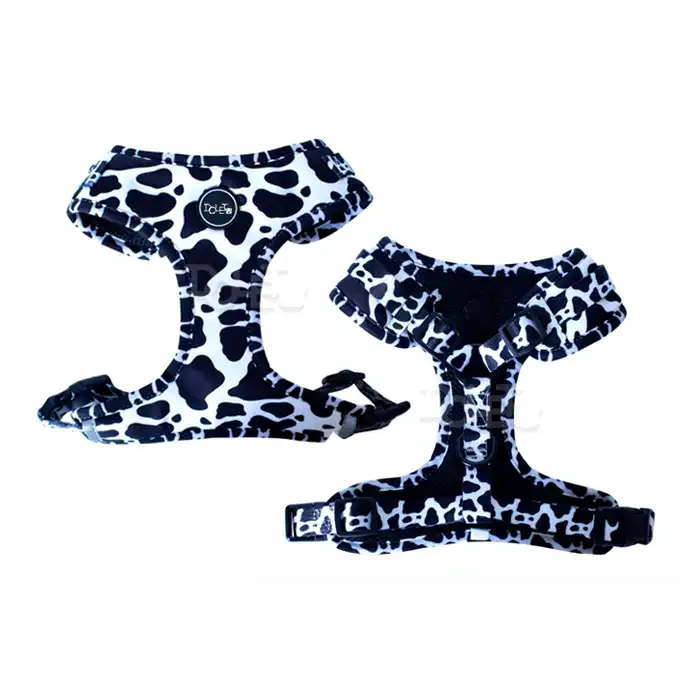
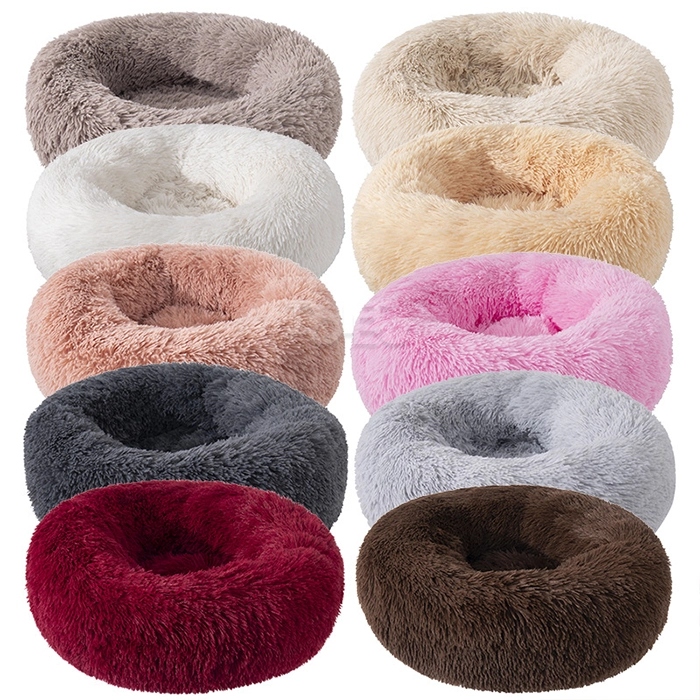
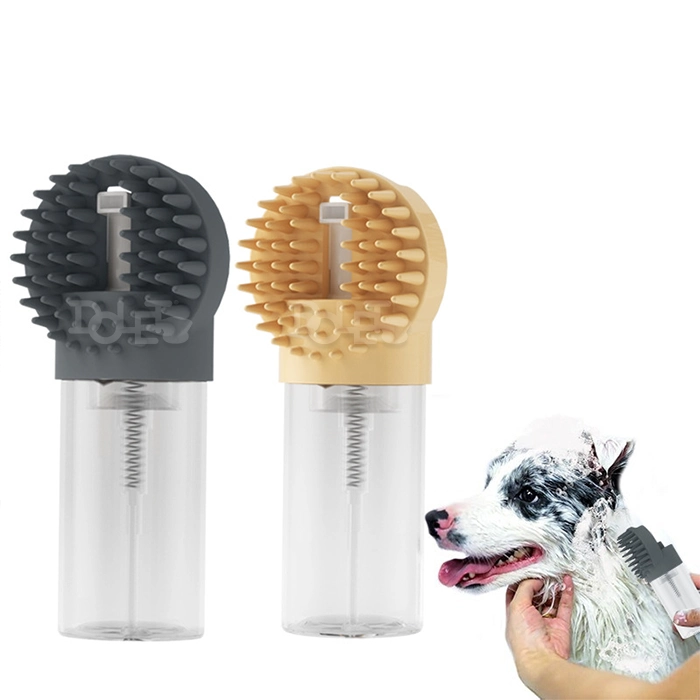
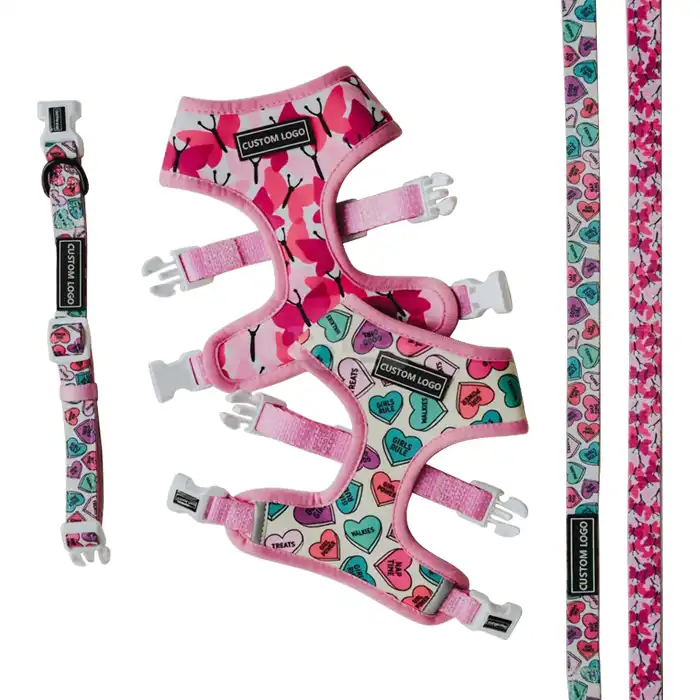
We sell more than just trash bags. We also sell harnesses, leashes, collars, bandanas, bow ties, dispensers, clothes, beds, and other items. With this wide range of products, companies can streamline their purchasing processes while keeping quality standards high across all product categories. Our integrated method makes the supply chain simpler and helps make managing inventory easier.
Custom production includes full OEM and ODM services, and the minimum order quantity is not set in stone. Stock products are good for smaller orders, and custom orders starting at 10,000 rolls let businesses make unique solutions that help them stand out in the market. Our design team works closely with clients to make sure that the products they get meet their unique needs while still meeting our high-quality standards.
Quality Assurance and International Compliance
Our current quality management system follows strict international rules and helps companies that need reliable proof that they are following the rules for their operations. With SGS, ROHS, and REACH certifications, you can be sure that our products meet strict safety and environmental standards in many places around the world. Getting ISO9001 certification shows that we are dedicated to managing quality in a structured way and always making things better.
To show that we can serve a wide range of foreign markets, we have exported to the United States, Canada, the United Kingdom, Australia, the European Union, Japan, and Korea. Our knowledge of export licensing and compliance makes the customs clearance and government approval processes go more smoothly. This global knowledge helps companies reach more customers while keeping the quality of their products high and following all the rules.
Stable finances and the ability to produce are what make partnership agreements reliable. Our experienced teams work on product development, quality control, and operations management, along with the large amounts of money we've spent on buildings and equipment, make sure that we always provide excellent service. Our large inventory lets us complete orders quickly, and our helpful customer service team takes care of any problems right away.
Conclusion
Proper disposal of biodegradable pet waste bags, such as Biodegradable Dog Poop Bags, requires understanding their unique characteristics and following appropriate waste management protocols. These sustainable alternatives offer significant environmental benefits when handled correctly, supporting business sustainability goals while maintaining operational efficiency. Success depends on selecting quality products from reliable suppliers, implementing proper disposal procedures, and educating staff and customers about best practices. Businesses that invest in comprehensive sustainability strategies, including the adoption of biodegradable alternatives like Biodegradable Dog Poop Bags, position themselves advantageously in markets where environmental responsibility increasingly influences purchasing decisions.
FAQ
Q: How long do biodegradable dog poop bags take to decompose?
A: Decomposition time varies significantly based on the disposal environment and conditions. In industrial composting facilities with controlled temperature, moisture, and oxygen levels, properly formulated bags typically break down within 90 to 180 days. Home composting environments may require 12 to 24 months, while landfill conditions can extend decomposition to several years due to limited oxygen and suboptimal conditions.
Q: Are biodegradable bags safe for pets and the environment?
A: Quality biodegradable bags made from materials like PLA, PBAT, and corn starch are safe for both pets and environmental applications. These materials are non-toxic and break down into harmless components, including water, carbon dioxide, and biomass. Products certified by recognized testing organizations like SGS provide additional assurance of safety and environmental compatibility.
Q: Can biodegradable bags be composted at home?
A: Home composting is possible but requires careful management to ensure proper decomposition conditions. Bags need adequate heat, moisture, and oxygen levels that may be challenging to maintain in typical backyard compost systems. Pet waste adds complexity due to potential pathogens, making industrial composting the preferred option for optimal safety and efficiency.
Q: What's the difference between biodegradable and compostable bags?
A: Biodegradable products break down naturally through biological processes over time, while compostable products meet specific standards for decomposition under controlled conditions within defined timeframes. Compostable products typically carry certifications like ASTM D6400 or EN 13432, indicating they meet strict decomposition and safety requirements for commercial composting facilities.
Q: How should businesses handle bulk procurement of biodegradable bags?
A: Bulk procurement requires evaluating supplier capabilities, including production capacity, quality control systems, and delivery reliability. Consider factors like minimum order quantities, customization options, certification requirements, and storage conditions. Establish relationships with suppliers offering comprehensive support, including product development, quality assurance, and responsive customer service to ensure consistent supply and performance.
Q: What storage conditions maintain bag quality before use?
A: Biodegradable bags should be stored in cool, dry environments away from direct sunlight and moisture. Excessive heat or humidity can accelerate material breakdown, while UV exposure may degrade bag strength. Proper storage maintains product integrity throughout the supply chain and ensures reliable performance during use. Follow manufacturer guidelines for optimal storage conditions and shelf life management.
Partner with Dolet for Sustainable Pet Waste Solutions
Transform your business sustainability strategy with Dolet's premium biodegradable dog poop bags, manufactured to meet the highest environmental and quality standards. Our comprehensive product range, backed by SGS, ROHS, and REACH certifications, provides the reliable performance your business demands while supporting your environmental objectives. As a leading biodegradable dog poop bags supplier with over ten years of industry experience, we offer flexible minimum order quantities, custom branding options, and responsive customer service to support your success. Contact our team at boaka@163.com to discuss your requirements and discover how our innovative solutions can enhance your product portfolio while strengthening your commitment to environmental responsibility.
References
1. Smith, Jennifer L., and Robert K. Thompson. "Biodegradable Materials in Pet Waste Management: Environmental Impact Assessment and Best Practices." Journal of Sustainable Pet Care, vol. 15, no. 3, 2023, pp. 45-62.
2. Environmental Protection Agency. "Guidelines for Biodegradable Waste Product Disposal in Municipal Systems." EPA Publication Series on Waste Management, 2023.
3. Martinez, Carlos A., et al. "Comparative Analysis of Decomposition Rates in Industrial Composting Facilities for Pet Waste Products." International Journal of Environmental Technology, vol. 28, no. 4, 2023, pp. 112-128.
4. Peterson, Sarah M. "Corporate Sustainability Strategies in the Pet Care Industry: A Comprehensive Analysis." Business and Environment Quarterly, vol. 41, no. 2, 2023, pp. 78-95.
5. Chen, David W., and Lisa K. Anderson. "Material Science Advances in Biodegradable Polymer Applications for Consumer Products." Applied Materials Research, vol. 19, no. 1, 2023, pp. 203-219.
6. Johnson, Michael R., et al. "Regional Variations in Waste Management Infrastructure and Their Impact on Biodegradable Product Disposal Effectiveness." Waste Management and Environmental Policy, vol. 33, no. 2, 2023, pp. 156-174.








-min_1756524565650.webp)