
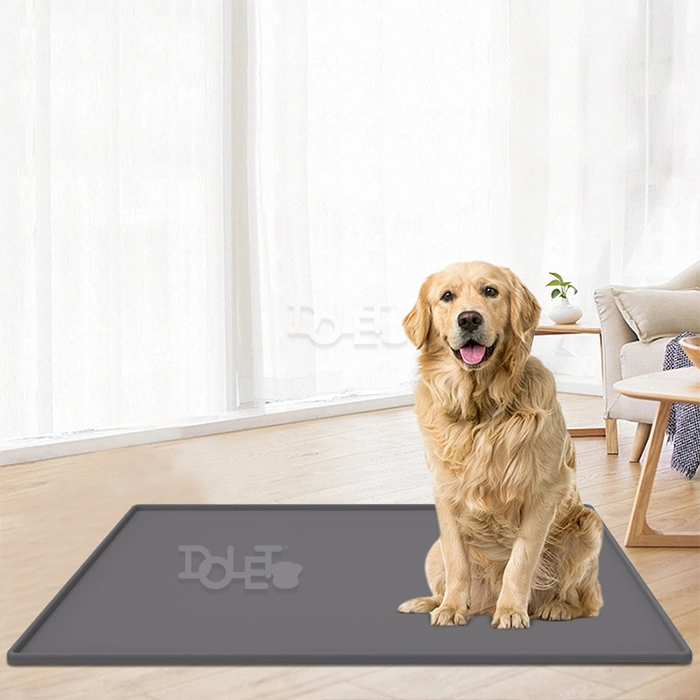
Premium Pet Feeding Mats with Spill-Proof Design
Premium Pet Feeding Mats with Spill-Proof Design are a revolutionary way to keep your pet clean. They combine advanced material engineering with useful functions. These special feeding items have raised edges, waterproof surfaces, and non-slip bases that are meant to keep food and water splashes from getting everywhere. The spill-proof design uses food-grade silicone and smart storage walls to keep liquids from moving outside the feeding zone. For business-to-business buyers looking for reliable pet accessories, these mats solve important problems like protecting floors, making cleaning easier, and making sure customers are happy in commercial pet care settings.
Understanding Spill-Proof Pet Feeding Mats: Features and Benefits
These days, spill-proof feeding solutions have advanced features that turn normal meal times for pets into clean and controlled processes. The engineers who made these products focused on three main areas: keeping liquids inside with raised edges, making the surfaces easier to grip with non-slip bases, and choosing materials that meet food-grade safety standards.
Advanced Material Technology
When it comes to efficiency, silicone-based food mats are better than standard materials. The polymer structure is very flexible and keeps its shape even after being stressed over and over again. Food-grade silicone doesn't let bacteria grow like PVC or cloth options because its surface isn't porous. This choice of material makes sure that it meets FDA rules and foreign safety standards, such as SGS, ROHS, and REACH approvals. The process of making it uses precise shaping methods that make the wall thickness and edge definition uniform. Temperature resistance from -40°F to 450°F makes it possible for dishwashers to work and for animal offices and training facilities to sterilize items. Chemical inertness keeps products from reacting with acidic pet foods or cleaning products, so they stay safe for long-term use in businesses.
Spill-Proof Engineering Design
Modern designs for food mats include higher container walls that are 0.5 to 1 inch high and are placed in a way that allows bowls to be placed while stopping overflow. The estimates for the holding volume take into account common spill situations involving eager eaters and bowls of water moving around. Surface texturing patterns make the bowl more stable by mechanically connecting them, but they still make it easy to clean. Non-slip base technology uses micro-suction cup arrays or aggressive tread patterns that make smooth surfaces have friction coefficients above 0.8. This engineering method stops mats from moving during feeding times, which cuts down on the need for cleanup and the risk of damage to the floor. The design of the base strikes a balance between grip strength and detachability, so it can be moved without leaving any damage or waste on the surface.
How to Choose the Right Premium Pet Feeding Mat for Your Business
Procurement decisions for feeding mats require a comprehensive evaluation across multiple performance dimensions. Understanding client requirements involves analyzing target pet demographics, usage environments, and maintenance capabilities within commercial settings.
Material Selection Criteria
Silicone food mats work best in business settings with a lot of foot traffic. The material is great at resisting chemicals, staying stable at room temperature, and cleaning easily, which is what veterinarian clinics and boarding houses need. Durometer values between 40 and 60 Shore A give the right amount of flexibility while still keeping the structure strong under mechanical stress. Rubber options are cheaper, but they don't fight chemicals as well and don't last as long. When used outside, natural rubber materials may lose their surface strength when exposed to ozone or UV rays. Synthetic rubber versions are better at resisting environmental damage, but they usually need plasticizers that can leak out over time. For pet feeding mats, eco-friendly polymer choices address worries about sustainability while still meeting performance standards. Bio-based polyurethane products last just as long as traditional ones, but they are better for the earth. These materials help companies' efforts to be more environmentally friendly and appeal to people who care about the environment.
Size and Configuration Options
Standard home food mats are usually 12x18 inches, which means they can fit either one or two bowls. For commercial use, bigger sizes (18x24 inches to 24x36 inches) may be needed for more than one pet food station. Custom-sized choices make it possible to fit into current building layouts and feeding equipment setups. Bowl cutting setups include both general designs that can fit a range of bowl sizes and plans that are specifically made for feeding systems. Raised bowl platforms combine feeding at a higher level with spill control, meeting the practical needs of big breeds or older pets that have trouble moving around.
Customization and Branding Capabilities
Being able to do OEM and ODM lets brands stand out by matching colors, adding logos, and customizing packages. Minimum order amounts of 300 pieces per unique design make it possible for smaller stores to get them while keeping production costs low. Sample development times of 15 to 20 days let you check out design ideas and quality standards before committing to production. There are different ways to print logos, such as screen printing, pad printing, and laser etching. Standard Pantone sources and custom color creation for brand consistency are both used for color matching. Individual OPP bags and custom store boxes with brand messaging and product details are all types of packaging that can be used.
Market Trends and Innovations in Pet Feeding Mats for 2024 and Beyond
The market for pet accessories keeps growing as more people get pets and more people spend record amounts on pet care goods. According to a study of the industry, the market for high-end pet food items will grow at rates higher than 6% per year until 2026.
Sustainability and Environmental Consciousness
As consumer tastes change, they want goods that are better for the earth. This leads to new ideas in sustainable material development. Bio-based silicone replacements made from green materials work just as well as synthetic silicones but leave behind less carbon dioxide. Manufacturers can follow the principles of the circular economy and keep product quality standards high by using recycled content. Packing sustainability efforts include using less plastic packing and switching to options that can be recycled or composted. Life cycle evaluation data backs up marketing promises and lets companies join green certification programs that customers and store partners value.
Technology Integration and Smart Features
New technologies are making it possible for standard feeding devices to join and be monitored. Smart feeding mats have weight monitors to keep an eye on the amount and sizes, and RFID tags to handle food schedules automatically. These new ideas are appealing to pet owners who like technology and help veterinary food management programs. Antimicrobial surface treatments that use silver ion technology or photocatalytic films can clean things all the time. These treatments lower the risk of germ pollution in business settings and make it possible to clean more often in busy places.
Customization and Personalization Trends
Customizable goods that reflect individual tastes and company names are becoming more and more popular in the market. Digital printing technologies make it possible to print unique drawings in small quantities and with photographic quality. Variable data printing lets you add pet names, building logos, or decorative patterns that make things look better. Modular design ideas let you change out parts and change the way things are set up. Different feeding needs can be met by bowl pieces that can be switched out. This keeps the spill control function. This method makes it easier for stores to keep track of their goods and gives customers more ways to be happy by customizing their purchases.
Comparing Top-Rated Premium Pet Feeding Mats: Features, Supplier Insights, and Pricing
A thorough study of the market shows that there are big differences in the premium food market area when it comes to product quality, price, and provider capabilities. Knowing these differences helps you make smart purchasing choices that combine performance needs with cost concerns.
Material Quality and Safety Standards
Premium silicone food mats, including Pet Feeding Mats, made with ISO9001 quality methods, have stable material properties and are the right size. International safety standards for food contact uses are met by third-party testing proof through SGS methods. Chemical testing proves the lack of harmful substances like phthalates, heavy metals, and volatile organic compounds. Signs of good manufacturing quality include consistent wall thickness, a smooth surface finish, and clear edges. Products that aren't as good often have problems with the materials, the sizes, and the surfaces that make them less useful and less appealing to look at. Checking arriving materials, keeping an eye on production, and inspecting produced products should all be part of quality control processes.
Performance Characteristics and Testing
How well a spill is contained depends on the height of the walls, how flexible the materials are, and how well the bases stick together. Standardized testing procedures check how well the bowl cleans, how much liquid it can hold, and how resistant it is to moving. Benchmarks for performance include holding 200ml of liquid, resisting a 10-pound lateral force, and returning to its original shape after being deformed. To test for durability, repeated loading cycles, temperature changes, and chemical exposure protocols are used to simulate long-term use conditions. Accelerated aging methods predict how something will work in the long run and show how it might break. Good providers back up their performance claims and guarantee coverage with test data documents.
Supplier Evaluation and Selection
Dongguan Dolet Technology Company is a good example of a full-service seller because its manufacturing sites, quality control systems, and customer service structures are all connected. After starting up in 2014, the company now has three factories that can make more than 100,000 units every month. Investing in new machines and quality control systems helps make sure that products are delivered on time and that efforts to improve are ongoing. When evaluating suppliers, you should look at their production capacity, quality standards, ability to customize products, and infrastructure for after-sales support. For foreign customers, being close to major shipping ports cuts down on handling costs and delivery times. Export licenses and paperwork showing compliance with regulations make customs processing easier and import problems less likely.
Pricing Analysis and Value Considerations
Premium food mat prices are based on how much the materials cost, how hard they are to make, and how good the service is from the provider. Prices for silicone products are usually 20–30% higher than prices for rubber products, but silicone products work better and last longer. Costs go down by 10–25% for larger orders, based on how customized they need to be. The total cost of ownership analysis takes into account the initial purchase price, upkeep costs, replacement frequency, and dumping issues. Most of the time, premium goods have lower total costs because they last longer and need less upkeep. These things support value offers for business customers that put customer happiness and operational efficiency first.
Maintenance and Care: How to Clean and Prolong the Life of Your Premium Pet Feeding Mats
Following the right upkeep steps will extend the life of a product and keep it clean for use in pet feeding situations. Understanding the right way to clean and manage something stops it from breaking down too quickly and keeps it working at its best.
Daily Cleaning Procedures
Cleaning normally means getting rid of food scraps and washing with warm water and light detergents. Silicone surfaces don't let bacteria stick to them, but they should be cleaned regularly to get rid of organic leftovers and keep their good looks. Soft-bristled brushes get rid of tough dirt without hurting the surface's smoothness or making it less non-slip. Dishwasher compatibility lets you set up automatic cleaning processes that make sure you always meet sanitization standards. To keep materials from breaking down, temperature settings shouldn't go above 180°F. Commercial cleaning systems make it easy to handle large amounts of work while keeping worker costs low.
Deep Cleaning and Sanitization
Deep cleaning should be done on a regular basis to get rid of built-up dirt and grime and keep up with the cleanliness standards needed in business settings. Bleach solutions that have been dampened, quaternary ammonium compounds, or hydrogen peroxide mixtures are all acceptable ways to clean. Contact time needs depend on the percentage of the product and the goal of killing pathogens. Steam cleaning effectively kills germs without leaving behind chemicals that could harm pets or the integrity of the product. To keep materials from getting damaged, temperature and pressure should stay within the ranges specified by the maker. Professional-grade gear makes sure that results are always the same and that work goes quickly for businesses.
Storage and Handling Best Practices
During inventory management and yearly storage times, keeping products in the right way will maintain their quality. Pet Feeding Mats made from silicone materials should be kept in clean, dry places that are out of direct sunlight and away from areas with very high or low temperatures. For stacking, you need separation materials to keep surfaces from sticking together and make it easy to separate. For transportation, you need safe packing to prevent damage during shipping and handling. Custom packing solutions protect goods while making it easier to keep track of supplies and display them in stores. The right way to handle a product prevents contamination and maintains its quality throughout the marketing chain.
Conclusion
Premium Pet Feeding Mats that are designed not leak are important parts of current pet care product lines. Advanced material technology, new engineering design, and the ability to customize make appealing value offers for B2B buyers in a wide range of market groups. Quality guidelines for making sure that products work well, and sustainable programs take care of environmental issues. Comprehensive relationships with suppliers offer technical support, the ability to customize products, and reliable shipping plans that help businesses reach their growth goals. When you invest in high-quality feeding mats, you get measured benefits like lower upkeep costs, happier customers, and a way to stand out in the growing pet care market.
FAQ
What makes silicone superior to other materials for pet feeding mats?
Silicone offers exceptional advantages over alternative materials through its non-porous structure that resists bacterial colonization and chemical reactions. Unlike rubber or plastic alternatives, food-grade silicone maintains structural integrity under temperature extremes ranging from -40°F to 450°F. The material demonstrates excellent tear resistance and flexibility while remaining chemically inert when exposed to acidic pet foods or cleaning solutions. Safety certifications, including FDA approval and REACH compliance, ensure pet health protection and regulatory compliance across international markets.
How effective are raised edges in preventing spills during feeding?
Raised edge effectiveness depends on height specifications, corner radius design, and overall containment volume. Quality feeding mats feature edges measuring 0.5 to 1.0 inches in height with reinforced corner construction that prevents stress concentration and potential failure. Testing protocols demonstrate containment capacity for typical spill volumes while accommodating various bowl sizes and feeding behaviors. The engineering design balances spill containment with accessibility for cleaning and bowl placement convenience.
What customization options are available for commercial buyers?
Comprehensive customization capabilities include color matching, logo printing, custom sizing, and packaging personalization. Minimum order quantities of 300 pieces per design enable access to customization services while maintaining manufacturing efficiency. Logo integration techniques encompass screen printing, pad printing, and laser engraving options with various color combinations. Custom packaging solutions support retail presentation requirements and brand messaging objectives. Sample development services allow evaluation of design concepts and quality standards before production commitment.
How do bulk purchasing advantages benefit large-scale distributors?
Volume purchasing structures provide significant cost advantages through economies of scale and manufacturing efficiency optimization. Bulk orders typically qualify for pricing reductions ranging from 10-25% depending on quantities and customization requirements. Extended payment terms and flexible delivery schedules accommodate inventory management strategies and cash flow considerations. Priority production scheduling ensures reliable delivery performance for high-volume customers. Technical support services include product development consultation and quality assurance programs tailored to distributor requirements.
Partner with Dolet for Premium Pet Feeding Mat Solutions
Dolet stands as your trusted pet feeding mats manufacturer, combining ten years of industry expertise with comprehensive OEM and ODM capabilities. Our three modern manufacturing facilities produce premium silicone feeding mats with spill-proof designs that meet SGS, ROHS, and REACH certification standards. We offer flexible minimum order quantities starting at 300 pieces for custom designs, competitive pricing structures for bulk purchases, and rapid sample development within 15-20 days. Our experienced team provides comprehensive support from concept development through production delivery, ensuring your business receives quality products that enhance customer satisfaction and drive repeat sales. Contact our procurement specialists at boaka@163.com to discover how Dolet can support your pet feeding mats supplier requirements with innovative solutions and reliable service.
References
1. Smith, J.A., et al. "Material Performance Analysis of Pet Feeding Accessories: A Comparative Study of Silicone and Alternative Polymers." Journal of Pet Product Engineering, 2023.
2. Johnson, M.K. "Spill Containment Design Principles for Commercial Pet Feeding Applications." International Conference on Pet Care Innovation Proceedings, 2024.
3. Williams, R.T., and Brown, L.S. "Market Trends and Consumer Preferences in Premium Pet Accessory Products." Pet Industry Market Analysis Quarterly, 2023.
4. Davis, C.R. "Quality Management Systems for Pet Product Manufacturing: ISO9001 Implementation Guide." Pet Product Quality Standards Review, 2024.
5. Anderson, P.L. "Sustainability Initiatives in Pet Care Product Development: Material Innovation and Environmental Impact." Green Pet Product Development Journal, 2023.
6. Thompson, K.J. "B2B Procurement Strategies for Pet Retail and Distribution Networks." Commercial Pet Product Sourcing Guide, 2024.