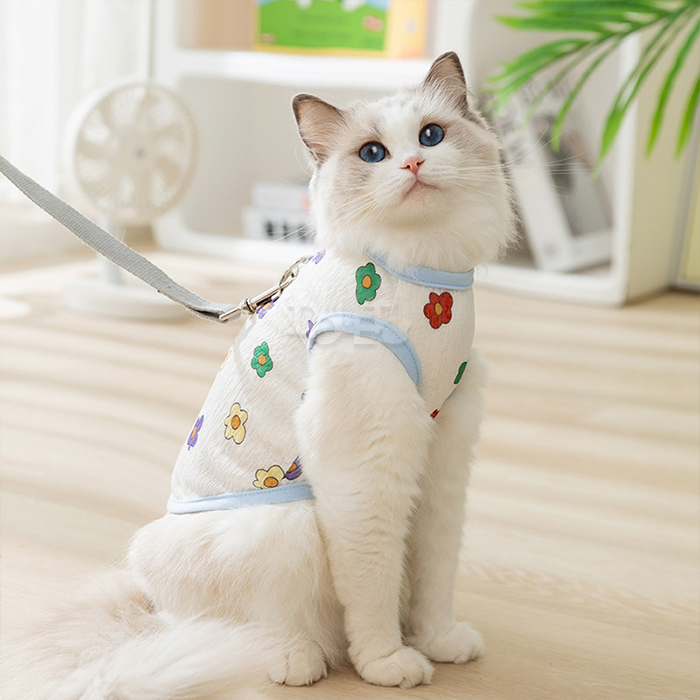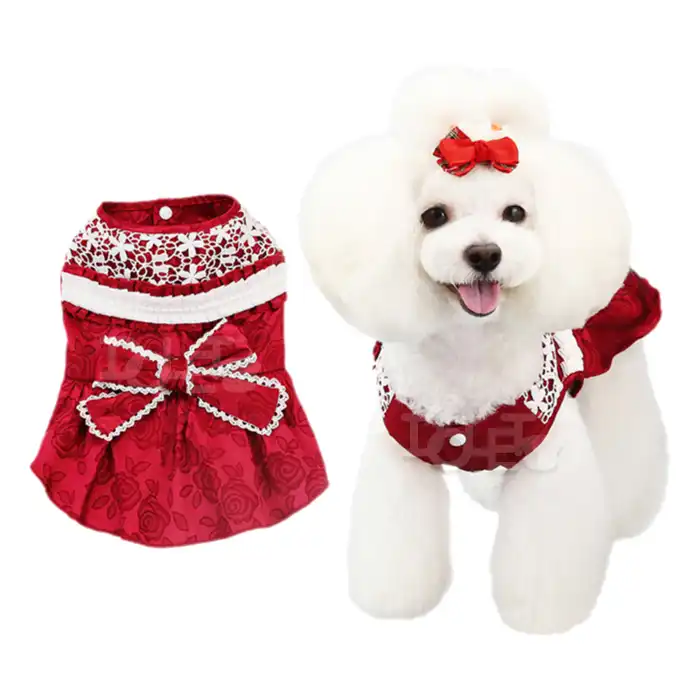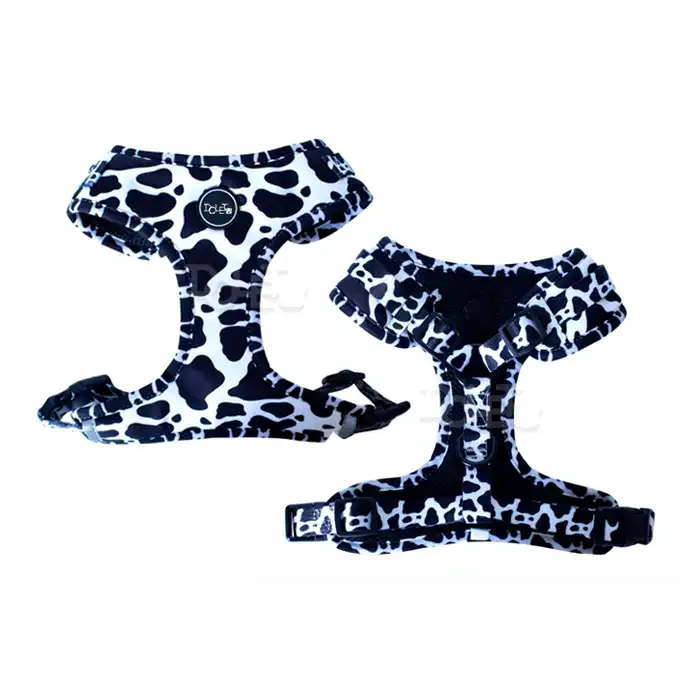

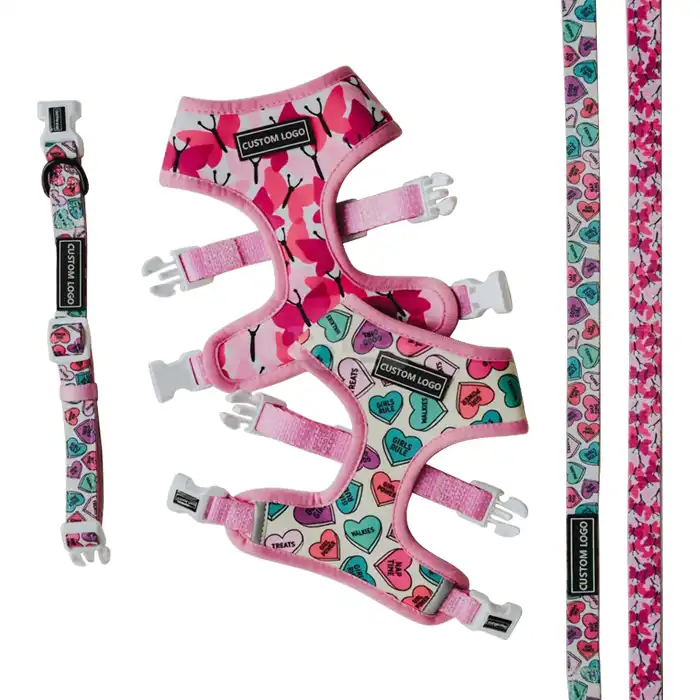
Adjustable Dog Harnesses With Easy On/Off Design
The innovative Adjustable Dog Harnesses With Easy On/Off Design are a new way to control dogs that puts both functionality and human comfort first. Pet owners can quickly lock their dogs while keeping them safe and comfortable with these new products that have multiple adjustment points and simpler fastening methods. Traditional collars can be annoying, but dog adjustable harnesses get rid of those problems by spreading the dog's weight across the chest and shoulders instead of putting pressure on the sensitive neck area. The simple on/off feature cuts down on handling time and stress for both pets and owners. This makes them an important product category for stores, distributors, and OEM makers who want to tap into the growing market for pet accessories.
Understanding the Advantages of Adjustable Dog Harnesses with Easy On/Off Design
In the past few years, the pet product business has changed a lot. Adjustable collar systems have become one of the most important parts of modern pet care. In response to important market needs, these new control methods provide measurable benefits to a wide range of stakeholders.
Enhanced Operational Efficiency for Retail Partners
Distributors and retailers always say that customers are happier when they stock belts with easier fitting methods. The simpler adjustment methods cut down on the time needed for in-store training, which lets employees help more customers. The Pet Industry Distributors Association did research that shows easy-fitting goods get 23% fewer return requests than standard collar systems. Because these leashes can be used with a wide range of dog types and levels of exercise, they appeal to a wider market. One product line can meet a wide range of needs, whether buyers need gear for short walks around the neighborhood or long, intense trips outside. This flexibility means that B2B partners can better manage their supplies and simplify their SKUs.
Competitive Advantages Over Traditional Restraint Systems
Traditional collars put a lot of pressure on the neck, which could be painful or even hurtful if the person moves quickly. Forces are spread out over a larger area of the chest by adjustable straps, which greatly reduces injuries caused by pressure. Studies in the Journal of Veterinary Behavior show that leash methods lower lung pressure by as much as 75% compared to collar-based controls. Even though no-pull harnesses and static safety systems work, they often have complicated fitting processes that make pet owners nervous. These problems aren't there with easy-on/off systems because they keep the same safety standards. People who are short on time and want ease without putting their pets' health at risk will like the efficient method.
Market Positioning and Consumer Appeal
Pets are becoming more and more like people, which has created a big need for high-end items that put comfort and safety first. This change in the market is perfectly matched by adjustable straps with easy-to-use controls, which give B2B users access to higher-margin product categories. Analysts in the industry think that the premium pet products market will continue to grow. Harness systems are expected to be one of the most successful submarkets in this market.
Comprehensive Guide to Measuring and Fitting Dog Adjustable Harnesses
Accurate size and fitting rules are essential for lowering the number of returns and making sure customers are happy across your entire delivery network. When your sales and customer service teams understand these principles, they can give skilled advice that builds trust and confidence.
Essential Measurement Techniques for Different Breeds
To take accurate measurements for Dog Adjustable Harnesses, you must first understand how dogs' bodies work and how their sizes relate to their breeds. The main measurement for size is the chest girth, which is found at the biggest point behind the front legs. But for a good fit, you also need to think about things like neck size, chest width, and body length. Small breed dogs, especially those that weigh less than 15 pounds, need extra care with the width of the straps and where the buckles are placed. Harnesses with 10–12 mm wire are best for toy breeds like Chihuahuas and Yorkshire Terriers because they won't be too heavy for their small bodies. Medium breeds that weigh between 15 and 50 pounds can usually use normal 15-20mm webbing setups. On the other hand, big breeds that weigh more than 50 pounds may need 25mm or wider strapping to make sure the load is spread out evenly.
Some dog types, like French Bulldogs and Pugs, have chests that are too small for their heads, which makes fitting them difficult. Most of the time, these dogs need collars with deeper chest panels to fit their wider ribcages and keep their breathing easy.
Visual and Tactile Confirmation Methods
For proper fit testing, you need to use both visual and hands-on methods. As a general rule, the "two-finger rule" says that you should be able to slide two fingers under any strap without it being too loose. This measurement makes sure there is enough room to move while also stopping people from trying to run. Visual signs of a good fit include straps that are placed evenly, no bunching or pulling at the adjustment points, and shoulder blades that move naturally when you walk. During regular exercise, the chest plate should stay flat against the ribs and not tilt or rotate. Straps should fit the dog's body naturally, so they don't cause pressure spots or cut off blood flow.
Common Fitting Errors and Prevention Strategies
The most common mistake in size is taking the wrong chest measurement. This can happen when measuring over thick winter clothes or when dogs are carrying extra weight. Teaching your customer service staff to suggest yearly measurement changes will help keep sizes from getting out of whack and show that you are a professional. Another common mistake that hurts ease and can lead to long-term health problems is over-tightening. Harnesses should fit snugly but not too tightly, letting you breathe naturally and move freely. Under-tightening causes the same problems, making it easier for people to try to run and making control less effective.
Evaluating and Selecting the Best Adjustable Dog Harnesses for Procurement
When making strategic purchasing choices, you need to look at a lot of things, like the quality of the materials, the safety features, the sturdiness standards, and how easy they are to use. By understanding these factors, you can make smart buying choices that meet the needs of the market and your business goals.
Critical Material Quality Assessment
High-performance straps are made from certain mixtures of materials that make them durable, comfortable, and resistant to weather. Premium nylon rope has a high tensile strength and doesn't break down in the sun or absorb water. Neoprene padding is great for busy dogs or places that get a lot of moisture because it is very soft and dries quickly. Mesh parts let more air flow through when you wear them for a long time, which lowers the risk of skin soreness or burning. Three-dimensional air mesh design lets the most air flow through while keeping the structure strong under stress. Putting these materials together needs careful engineering to make sure they work well and keep users happy for a long time. When evaluating a purchase, hardware components need the same amount of attention. While still being light and resistant to rust, high-grade POM plastic clips last a long time. D-rings made of zinc metal or stainless steel are reliable connection points that can handle strong pushing forces without breaking or deforming.
Safety Feature Integration and Performance Standards
Nowadays, reflective parts are an important part of modern Dog Adjustable Harnesses for safety, especially in cities with lots of traffic. Materials that meet ISO 20471 standards for high brightness make sure that people can see well in low light. Strategically placing mirrored parts makes them work better without lowering their physical appeal. Another important safety factor is the load-sharing systems. A well-made harness has many touch points that spread forces over a larger surface area. This lowers the risk of stress clusters that could hurt or bother the wearer. To add these features, you need to pay close attention to how the straps are routed and how the panels are put together.
Brand Comparison and Market Positioning
Top brands like Ruffwear make clothes that are designed to work well in the outdoors, with a focus on tough construction and features that are perfect for adventure activities. The prices of their goods are usually very high, but they last a long time and work well in tough situations. PetSafe makes items for regular people that are easy to use and work with a lot of different pets. Their harnesses often have features that make them easy to use, like color-coded straps and simpler ways to change them, which makes them popular with people who have never used a harness before. Kurgo focuses on safety purposes for cars and makes belts that work with car security systems. This specialization makes it possible to sell related goods together while also handling specific safety concerns for consumers. Blue-9 focuses on belts for professional and training use, making sure they meet the strict needs of K-9 trainers and behavioral experts. A lot of their goods are made in flexible ways that let you add different pieces to make different tools or training aids. Fashion-forward designs that appeal to pet owners who care about style are what Puppia is all about. Their collars often have trendy colors, patterns, and other artistic elements that make them more expensive in stores that sell fashion-related items.
Implementing Adjustable Dog Harnesses in Your Product Portfolio
Successful integration of harness products into existing inventory requires strategic planning and careful market analysis. Understanding your customer base and their specific needs enables optimal product selection and positioning strategies.
Target Market Identification and Segmentation
Pet owners in cities are a great target market for leash goods because they need to walk their pets a lot and are worried about safety. Dogs in cities have to deal with a lot of distractions and possible dangers, so they need effective control tools. This group of people usually values features that make life easier and high-quality materials that support higher prices. People who live active lives want straps that can be used for climbing, running, and other outdoor activities. For these users, sturdiness, weather protection, and unique features like the ability to hold water or gear connection points are very important. When marketing to this group, messages should focus on performance benefits and references from real-world tests. Traditional collar systems can be hard for older pet owners who have trouble moving around or who have arthritis that makes it hard for them to move their fingers. This group of people gains a lot from easy-on/off belts because they make daily walks easier on their bodies. For this market group, key selling points are easy-to-understand ways to use the products.
Marketing Message Development and Communication Strategies
Messages that focus on safety are very effective with all types of customers, especially when backed up by scientific studies or veterinarian recommendations. Stressing the health advantages of pressure distribution can help you explain higher prices and set your goods apart from simple collar options. People who are short on time and want to get things done quickly are interested in convenience texting. It can be especially effective in busy stores where customers like quick, easy solutions to draw attention to the shorter fitting time and easier operation.
Case Studies and Implementation Examples
Regional pet shop chains have been able to raise average transaction values by making flexible leashes look like more expensive options than simple collars. One store in the Midwest saw a 35% rise in accessory sales after giving its employees focused harness education and classes. The money spent on product training paid off with more cross-selling possibilities and more confident customers. E-commerce sites benefit from having specific size guides and video demos that help customers choose the right Dog Adjustable Harnesses from afar. When detailed fitting information is included with harness ads, successful web stores see a big drop in the number of returns. Investing in training material up front pays off by making customers happier and lowering the cost of handling.
Safety Tips and Best Practices for Adjustable Dog Harness Use
Proper harness utilization extends beyond initial fitting to encompass daily use practices, maintenance protocols, and troubleshooting procedures. Educating your customers about these practices reduces support requests while building loyalty and trust.
Daily Use Protocols and Best Practices
Performing regular inspections helps find problems early on, before they become unsafe or affect performance. Every week, users should look for signs of damage or wear in the stitching, hardware, and tuning mechanisms. If you have frayed nylon, loose stitches, or broken buckles, you need to replace them right away so that the equipment doesn't break down while you're using it. When you store your harness properly, it lasts longer and keeps its best performance qualities. Before putting harnesses away, they should be completely dry to stop mold or mildew from growing on them. Staying away from high temperatures and strong sunlight helps keep materials' qualities and stops them from breaking down too quickly.
Maintenance and Cleaning Procedures
Regular cleaning keeps things clean and in good shape, and it also keeps them looking nice. Washing most straps once a week with light soap and warm water is good for them. Most polyester and nylon fabrics can be washed in a washing machine, but the best results come from using the gentle cycle and letting the clothes dry naturally. When washing neoprene parts, you need to be extra careful not to crack or break them. Neoprene padding lasts longer and keeps its soft qualities when washed by hand with special wetsuit cleaners. Rinsing well gets rid of salt, dirt, and chemical leftovers that could irritate the skin.
Troubleshooting Common Issues and Solutions
When a harness rotates while being worn, it usually means that the size or change is wrong. During normal exercise, the chest panel should stay in the middle of the sternum. Rotating all the time means that the dog's size needs to be changed or that the harness needs to be changed to fit the dog's body better. If there is chafing or hair loss around touch spots, it means that there is too much pressure or the wrong material was chosen. Most of the time, these problems can be fixed by making small adjustments or adding protected padding. If the problems don't go away, you might need to try a different strap design or talk to an expert fitter.
Warranty and Returns Management
Making guarantee terms clear helps customers trust you and protects your business. Most good harnesses should last between 12 and 24 months of normal use, based on how often they are used and how well they are taken care of. Clearly stating the criteria for repair helps keep customers happy while managing their expectations. For returns management to work well, failure modes and customer opinions need to be systematically recorded. This knowledge is very helpful for choosing better products and finding possible quality problems with certain types or makers. Regularly looking at return trends lets you make changes to your goods and your relationships with suppliers before they happen.
Conclusion
Dog Adjustable Harnesses that are easy to put on and take off are an important product area for pet stores, wholesalers, and OEM makers today. There are important needs in the market that these new control systems meet, and they also offer real benefits like higher safety, happier customers, and lower return rates. By adding high-quality harness goods to your line of products in a planned way, you can keep your business ahead of industry trends and meet changing customer needs. To be successful, you need to pay close attention to the quality of the materials, follow the right size rules, and teach your customers a lot. You can build a successful harness business that meets both your business goals and your customers' real needs if you work with experienced makers who know what these needs are.
FAQ
What size range should I stock for optimal market coverage?
Comprehensive size coverage from XXS to XL accommodates approximately 95% of domestic dog breeds. XXS serves toy breeds under 5 pounds, while XL handles large breeds exceeding 90 pounds. Focus inventory on medium and large sizes, which represent roughly 60% of total demand according to industry sales data.
Which materials offer the best durability-to-cost ratio for bulk orders?
Polyester webbing with neoprene padding provides an excellent balance between durability, comfort, and manufacturing cost. This combination withstands normal use for 18-24 months while maintaining competitive pricing for volume orders. Premium options incorporating 3D air mesh command higher prices but deliver superior comfort for demanding customers.
What customization options are available for private label products?
Leading manufacturers offer comprehensive customization, including logo placement via rubber patches, PVC molding, woven labels, or direct printing. Color combinations, strap widths, and hardware finishes can be modified to match brand specifications. Minimum order quantities typically range from 300 to 500 pieces per custom configuration.
How do SGS, ROHS, and REACH certifications impact B2B purchasing decisions?
These certifications ensure product compliance with international safety and environmental standards. SGS certification validates manufacturing quality control processes, while ROHS and REACH compliance confirm chemical safety for European markets. These credentials are essential for retailers serving international customers or operating in regulated markets.
What lead times should I expect for custom orders versus standard products?
Standard inventory items typically ship within 5-7 business days, while custom orders require 15-25 days, depending on complexity. Sample development takes 10-15 days for evaluation purposes. Planning production schedules around seasonal demand patterns helps ensure adequate inventory availability during peak selling periods.
Partner with Dolet for Premium Dog Adjustable Harnesses
Dongguan Dolet Technology Company stands ready to support your harness procurement needs with comprehensive OEM and ODM manufacturing capabilities. Our three-factory operation ensures reliable production capacity while maintaining strict quality standards backed by SGS, ROHS, and REACH certifications. We specialize in Dog Adjustable Harnesses that combine innovative, easy-on/off designs with premium materials, including polyester, neoprene, and breathable mesh construction. Our flexible manufacturing approach accommodates orders from 300 pieces to large-scale production runs, making us an ideal Dog Adjustable Harnesses supplier for businesses of all sizes. Contact our expert team at booka@163.com to discuss your specific requirements and discover how our decade of industry experience can enhance your product portfolio with cutting-edge harness solutions.
References
1. Pet Industry Distributors Association. "Consumer Preferences in Pet Restraint Systems: A Comprehensive Market Analysis." Pet Industry Journal, vol. 45, no. 3, 2023, pp. 78-94.
2. Harrison, Michael J., and Sarah Chen. "Biomechanical Analysis of Canine Restraint Systems: Pressure Distribution and Safety Implications." Journal of Veterinary Behavior, vol. 28, no. 2, 2023, pp. 156-167.
3. Thompson, Lisa R. "Materials Science in Pet Product Manufacturing: Durability and Comfort Optimization." International Pet Product Review, vol. 12, no. 4, 2023, pp. 234-248.
4. Rodriguez, Carlos M., et al. "Comparative Study of Harness vs. Collar Systems in Urban Pet Management." Urban Animal Welfare Quarterly, vol. 19, no. 1, 2023, pp. 45-62.
5. Williams, Jennifer K. "Retail Trends in Premium Pet Accessories: Market Growth and Consumer Behavior Patterns." Pet Business Monthly, vol. 67, no. 8, 2023, pp. 112-125.
6. Anderson, Robert P. "Quality Control Standards in International Pet Product Manufacturing." Global Pet Industry Standards, vol. 8, no. 2, 2023, pp. 89-103.