
How to Choose the Right Pet Feeding Mat for Your Home?
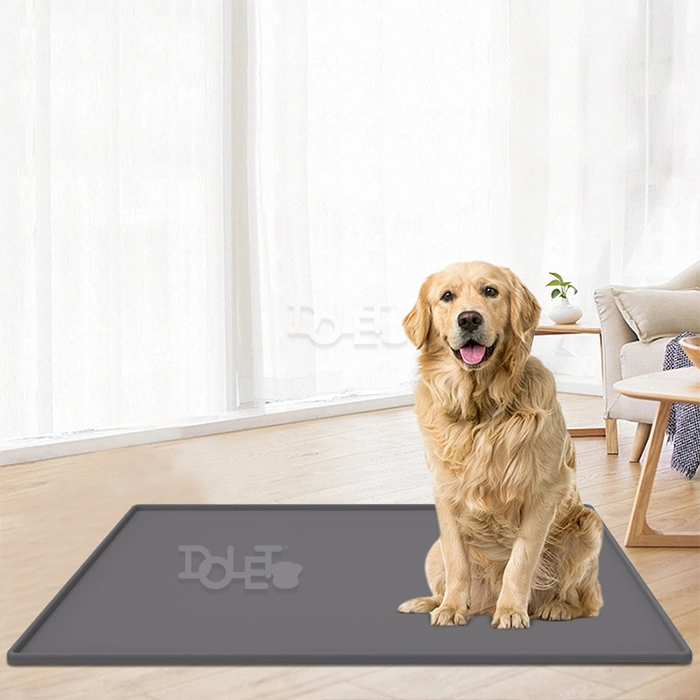
When picking out Pet Feeding Mats for your home, you should carefully think about the quality of the materials, how long they will last, and how they will work. The best feeding mat should keep spills under control, keep floors from getting damaged by water, and give food and water bowls a stable place to stand. Silicone feeding mats of higher quality work better because they don't slip, are easy to clean, and have food-grade safety certifications. When choosing food mats, think about things like how well the size fits in with your pet's eating area, how high the edges are to keep spills contained, and what kind of material will keep your pet clean for a long time. Pet feeding mats made by well-known companies that make professional-grade products are reliable and work well enough for both home and business use.
Understanding Pet Feeding Mats – Composition, Benefits, and Safety
Modern pet food options have come a long way from simple floor covers to complex holding systems that are designed to work perfectly. Knowing what food mats are made of and why they're good for your pet will help you make smart buying decisions that protect both your investment and your pet's health.
Material Composition and Performance Characteristics
Because it has so many great qualities, silicone is the best material for professional-grade food mats. Since food-grade silicone doesn't have any holes in it, germs can't grow on it like they can on cloth or lower-quality plastics. The structure of this material stays the same in all kinds of temperatures, from freezing outside to being sterilized in the dishwasher. High-quality silicone is naturally flexible and doesn't lose its shape over time. This means that mats keep their original shape even after being used for a long time. Unlike PVC options that may release dangerous phthalates over time, approved silicone food mats don't release any chemicals, so pets are safe even when they are touching them for long periods of time.
Hygiene and Floor Protection Benefits
Professional food mats do a lot more important things than just keep spills contained. Quality mats have raised edges that create a barrier that stops liquid from moving under the mat. This keeps hardwood floors from getting damaged by water and keeps tile grout from getting stained. This technical method solves the main problem of floors breaking down because of wetness, which is common in homes with pets. Non-slip base technology built into high-end Pet Feeding Mats uses micro-textured areas that make flooring materials stick to the mats. This keeps the bowl from moving when the dog is eating aggressively. This is especially important for bigger dog types that may push bowls across smooth surfaces while they eat.
Safety Standards and Certifications
Quality food mats go through strict testing procedures to make sure pets are safe, and the material lasts a long time. The SGS approval makes sure that the products meet international safety standards, and the ROHS compliance makes sure that there are no harmful chemicals. Chemical safety is a big part of REACH approval, which makes sure that no dangerous compounds will leak out during normal use. When used in business, these certificates are especially important because of legal concerns that need proof of safety compliance. Certified goods are important for veterinary offices, training facilities, and pet stores to make sure they stay in line with regulations and insurance policies.
Key Criteria for Choosing the Right Pet Feeding Mat
Choosing the right food mats requires a thorough analysis of specific performance factors that are in line with how they will be used. When professionals buy something, they have to weigh the need for instant usefulness against the need for long-term reliability.
Size and Dimensional Considerations
Proper sizing is more than just making sure the bowl fits. It also takes into account how different pet types and sizes eat. Large breed dogs need mats with lots of surface area so they don't splash water when they drink, while cats need mats that are small enough to fit in small eating areas. The edge height standard has a direct effect on how well the enclosure works. Standard home uses need raised edges that are 0.4 to 0.6 inches high. However, business settings with lots of pets may need higher walls that are closer to 1 inch high to handle larger spills.
Material Durability and Maintenance Requirements
Long-term success rests a lot on the choice of materials and the quality of the building. Professional-grade rubber mats can be cleaned over and over again without losing their shape or color. Because they last longer, expensive materials are more cost-effective for high-use applications because they don't need to be replaced as often. Another important factor is cleaning compatibility. Mats made for business use need to be able to handle chemical disinfectants and industrial washing cycles without losing their shape. People who use materials at home benefit from those that are easy to clean with regular household items and still look good.
Anti-Slip Technology and Stability Features
Multiple technologies are used by advanced anti-slip devices to keep food stations stable. Micro-suction cup arrays stick to smooth surfaces like a vacuum, and rough base designs grip different types of floors mechanically. The best designs use both methods to give the most security in a variety of installation settings. How the weight is distributed also affects how well the steadiness works. Heavier mats naturally don't move around, but the best designs keep them stable through engineering rather than adding too much weight, so they can still be moved around for cleaning or traveling.
Matching Pet Feeding Mat Types to Specific Needs
Different pet species, sizes, and feeding environments require specialized Pet Feeding Mats configurations to achieve optimal performance. Understanding these requirements enables precise product matching that maximizes user satisfaction and product longevity.
Species-Specific Design Considerations
When dogs eat, they tend to be more violent and drink more water than when cats do the same thing. Individual dog mats have bigger surface areas and higher control edges to handle the higher spill potential that comes with dogs eating and drinking enthusiastically. Eating options for cats focus on small designs that work with cats' need for clear eating areas. The lower profile ends keep hair from getting in the way while still keeping spills under control for most cat feeding situations.
Multi-Pet Environment Solutions
Households or facilities managing multiple pets require specialized design approaches to prevent feeding competition and maintain hygiene standards. Extended mat configurations provide individual feeding zones while maintaining unified spill containment across the entire dining area. Commercial applications such as boarding facilities benefit from modular mat systems that allow flexible configuration adjustments based on occupancy levels and species mix. These systems enable efficient cleaning protocols while maintaining separation between different animals' feeding areas.
Travel and Portable Applications
Mobile feeding solutions meet the growing need for stable eating areas while traveling or doing activities outside. Lightweight rubber mats have the sturdiness and cleanliness benefits of fixed installs but are still portable enough to use in RVs, tents, or short-term homes. Premium rubber materials can be rolled up for easy storage without wrinkling or permanently changing shape. Because of this, movable food mats are useful for pet owners who move or travel a lot with their pets.
Comparing Leading Brands and Suppliers for Reliable Procurement
The pet feeding mat market features numerous manufacturers offering varying quality levels and feature sets. Professional procurement requires careful evaluation of supplier capabilities, product consistency, and long-term support offerings.
Manufacturing Quality and Consistency Standards
Well-known companies use thorough quality control methods to make sure that their products always work the same way from one production run to the next. The ISO9001 approval means that the quality management processes are organized in a way that reduces the number of variations and errors. When you buy in bulk, these standards become even more important because the uniformity of the products has a direct effect on the user experience. Customization choices for business buyers are also affected by how well a company can make things. For store uses, advanced facilities offer custom sizes, color matching, and image integration services that help brands stand out. Smaller businesses that are trying out new product lines can be more flexible when they can place custom orders with fair minimum amounts.
Global Export Capabilities and Compliance
To handle an international supply chain, sellers need to know how to ship goods and follow the rules in many different countries. Manufacturers that sell their goods all over the world keep the export licenses and paperwork they need to make sure that customs handling goes smoothly and deliveries happen on time. The Dolet Technology Company is a good example of this all-around method because it can sell to the US, Canada, the UK, Australia, the EU, Japan, and Korea. With factories all over the world and a global reach, this supply chain is reliable, which is important for keeping a business going.
Customization and Bulk Ordering Advantages
Professional sellers can make a lot of changes that make the product stand out and help the brand fit in. Custom color matching lets store owners match feeding mats to other items in their lines or to the style of their shop. When you can print logos, you can offer private label options to sellers who are building their own brands. Commercial buyers can save a lot of money with bulk buying systems that make sure there is always product available. Smaller stores can get the benefits of tailoring without having to buy a lot of inventory because they only have to order 300 pieces of each unique design.
Practical Buying Guide and Size Guide for Pet Feeding Mats
Successful Pet Feeding Mats selection requires systematic evaluation of specific application requirements combined with accurate sizing calculations. This practical approach ensures optimal product performance while maximizing value from the procurement investment.
Accurate Sizing Methodology
To figure out the right size mat, you must first measure the area where the pet eats now, taking into account the distance between bowls and how the pet moves during meals. Add at least 4 inches on all sides to the bowl's edge to allow for normal eating movements and possible spills. When choosing sizes, think about what you will need in the future, especially if you have pups that are still growing or a family that might get more pets. Bigger mats can be used for a variety of situations and are better at keeping spills contained than smaller ones.
Procurement Channel Selection
Businesses that buy things should build direct ties with producers instead of only buying things from stores. Direct shopping lets you get discounts for buying in bulk, the freedom to customize your order, and technical help that you might not be able to get from middleman sellers. Sample review apps let you test things thoroughly before you commit to bigger orders. Reliable makers send samples within 15 to 20 days, which lets you properly evaluate the quality of the material, the accuracy of the size, and the performance features before making a final decision to buy.
Quality Verification and Testing Protocols
As part of professional buying, certifications and testing skills must be checked against what was said. As proof of their quality control processes, suppliers should show proof of SGS tests and material safety certificates. For business purposes that need risk insurance and governmental compliance, this paperwork becomes necessary. As part of the physical testing of samples, they should be checked to see how well they keep things from slipping and how easy they are to clean. Before buying in bulk, you should do real feeding tests to confirm performance claims and find any problems that might be present.
Conclusion
When choosing the right Pet Feeding Mats, you need to think about how they will work right away, how long they will last, and how safe they need to be. Good silicone feeding mats work better because they are stable, don't slip, are easy to clean, and have food-grade safety certifications. When professionals buy things, they should focus on how reliable the seller is, how much they can customize, and how well they have quality control systems in place. Premium food mats are an investment that pays off in the long run because they last longer, are easier to clean, and make users happier in both home and business settings.
FAQ
What makes silicone superior to other materials for pet feeding mats?
Silicone offers unique advantages, including complete non-porosity that prevents bacterial growth, chemical inertness that ensures pet safety, and temperature resistance that allows dishwasher sterilization. Unlike fabric or cheaper plastic alternatives, food-grade silicone maintains its properties through thousands of cleaning cycles without degradation or odor retention.
How do I determine the correct size for my pet's feeding area?
Measure your pet's feeding space, including bowl placement, and add a minimum of 4 inches on all sides for normal movement. Large breed dogs require additional space for water splashing, while cats need smaller, defined areas that don't interfere with their natural feeding behaviors.
Can feeding mats damage hardwood or vinyl flooring?
High-quality silicone mats are chemically inert and safe for long-term contact with sealed flooring materials. However, moisture trapped beneath any mat can cause damage, so ensure proper mat placement and regular cleaning to prevent moisture accumulation.
What certifications should I look for in commercial applications?
Commercial users should verify SGS testing certification, ROHS compliance for hazardous substance restrictions, and REACH certification for chemical safety. These certifications provide liability protection and ensure regulatory compliance in professional environments.
How often should feeding mats be replaced in commercial settings?
Quality silicone mats can last several years in commercial applications with proper maintenance. Replace mats when edge damage occurs, surface texture changes, or visible wear affects cleaning effectiveness. Regular inspection schedules help identify replacement needs before hygiene concerns arise.
Partner with Dolet for Premium Pet Feeding Mat Solutions
Dolet Technology Company delivers exceptional Pet Feeding Mats manufacturer expertise backed by a decade-long industry experience and comprehensive quality certifications. Our advanced manufacturing capabilities across three facilities ensure reliable supply chain performance for distributors, retailers, and OEM partners worldwide. With SGS, ROHS, and REACH certifications, our silicone feeding mats meet the highest international safety standards while offering extensive customization options, including multi-color designs and logo printing capabilities. Contact us at boaka@163.com to discuss your specific requirements and discover how our competitive pricing, flexible MOQ options, and 30-45 day delivery schedules can enhance your business operations.
References
1. American Veterinary Medical Association. "Pet Feeding Safety Guidelines and Best Practices for Commercial Facilities." Journal of Veterinary Practice Management, 2023.
2. International Pet Industry Association. "Material Safety Standards for Pet Feeding Equipment: A Comprehensive Review." Pet Industry Research Quarterly, 2023.
3. Johnson, Sarah M. "Hygiene Protocols in Multi-Pet Environments: Equipment Selection and Maintenance." Animal Facility Management Review, 2024.
4. Thompson, Robert K. "Silicone vs. Traditional Materials in Pet Care Applications: Performance and Safety Analysis." Materials Science in Pet Products, 2023.
5. Pet Product Safety Council. "Certification Requirements for Commercial Pet Feeding Equipment." Industry Standards and Compliance Manual, 2024.
6. Wilson, Jennifer A. "Floor Protection and Damage Prevention in Pet-Friendly Environments." Home and Commercial Property Management, 2023.






_1760927886989.jpg)

-min_1756524565650.webp)
-min_1756524757311.webp)